






Season 2 of The Night Manager — streaming on Amazon Prime Video — jumps back into the story of Jonathan Pine (Tom Hiddleston), who’s now living under a new identity and working with MI6. Since it’s set nine years after the first season, the sound team could take a fresh new approach to the series.
Here, supervising sound editor/sound designer Oriol Tarragó discusses creating the realistic, richly layered backgrounds, blending source music with the score, and designing complex, confused memories from Jonathan’s past. Find out how they made the imperfect and realistic sound of Waleed’s surveillance in the park scene, how they made the Night Owl’s office sound interesting despite it being a room full of video monitors, how they extended the set using sound coming from beyond what’s on screen, how they recreated the sound of ‘reality’ by crafting and mixing numerous layers, and much more!
Interview by Jennifer Walden, photos courtesy of Amazon Content Services LLC; Oriol Tarragó
 Early BirdNOVA by Mattia Cellotto is coming soon!Become an Early Bird and get 3 SFX libraries (worth $125 total!), FREE with your NOVA orderBECOME AN EARLY BIRD →
Jonathan Pine (Tom Hiddleston) seems to have nine lives, or at least nine different identities in Season 2 of The Night Manager — streaming on Amazon Prime Video. That’s hyperbole, of course, but taking on so many personas seems to be catching up with him. His mental state is complicated by the ghosts of his past interfering with unrelenting voices in his present situation. Award-winning supervising sound editor/sound designer Oriol Tarragó (known for his work on Society of the Snow, A Monster Calls, and Penny Dreadful) not only got to design the tangled mess of Jonathan’s mind using lines pulled from the original Season 1 stems, he also got to recreate the illusion of reality using complex layers of sound to give the impression that multiple lives and stories are happening in the background all the time. He used real recordings of different languages: Catalan, Syrian, and British-English for London, to help quickly establish each location, and add a feeling of realism. He had backgrounds purposely produced for the show, like the background crowd at the club in London, which needed a very specific tone, accent, and way of speaking that reflected that type of clientele. And in Colombia, they used music as part of the backgrounds, so additional source music was edited with the score and walla to create a vibrant, engaging experience.
The Night Manager Season Two – Official Trailer | Prime Video
The first season of The Night Manager aired 10 years ago. Did you go back and watch the first season to get a feel for the show’s sound? Or, did the showrunners want to start fresh with S2?
Oriol Tarragó (OT): When I received the script for the second season, the first thing I did was rewatch the first season. I couldn’t hesitate to do that, and not just because of the sound. I needed a refresher of all the information for the script and characters to give me a stronger background.
Starting this project was very interesting for me. In terms of sound, the showrunners, director Georgi Banks-Davies, and I agreed we wanted to do something different. We didn’t have to take the same approach as Season 1. Since it’s 10 years later, The Night Manager‘s second season could have a completely different style. So it was for sure a new start.
Jonathan recalls memories from the past (from Season 1). Did you pull those dialogue lines from the first season? Can you talk about mining those old sessions for dialogue?
OT: Yes, we decided to use these lines from the original stems from the mix from the first season. We got all the material from the previous producers, so we could have exactly the same lines with the same treatment. Then later, we added different treatments on top.
We wanted to use these original lines from Jonathan’s previous life to give his character complexity and to have different layers of people from his past life. Jonathan takes on new personas, almost three new personas in this second season, so we’re trying to give Jonathan a more complex and confused mind. He’s fighting with his own ghost, I believe.
How did you use sound to put the audience inside Jonathan’s head, to put them into his experience? Can you share some specific examples and how you approached those scenes sound-editorially?
OT: For the second season, we tried to make a blurrier effect with reality in that Jonathan Pine is a character, and he has multiple identities. We wanted to make him a little bit confused about what’s real, what’s not real, what is the past, and what he’s seeing now. We wanted to show a more complex character through what he’s hearing in his head, that he’s fighting with all of these ghosts from the past. So, what is real? What is not real? In the first episode of this season, we’re trying to show this complexity when he’s on the subway (the London Tube), listening to all these different lines in his head, and fighting to maintain himself, remain grounded, and stay connected to his identity.



Also, with the Night Owls, we created all of these atmospheres and backgrounds for the cameras and microphones in the hotels. There’s always somebody talking in another room. So, he’s always listening to voices, even in his head as he’s working and watching the screens. He’s listening to voices all the time and making himself feel more vulnerable in some way. So that’s what sound design is, trying to give this character more complexity in his mind and a deeper personality.
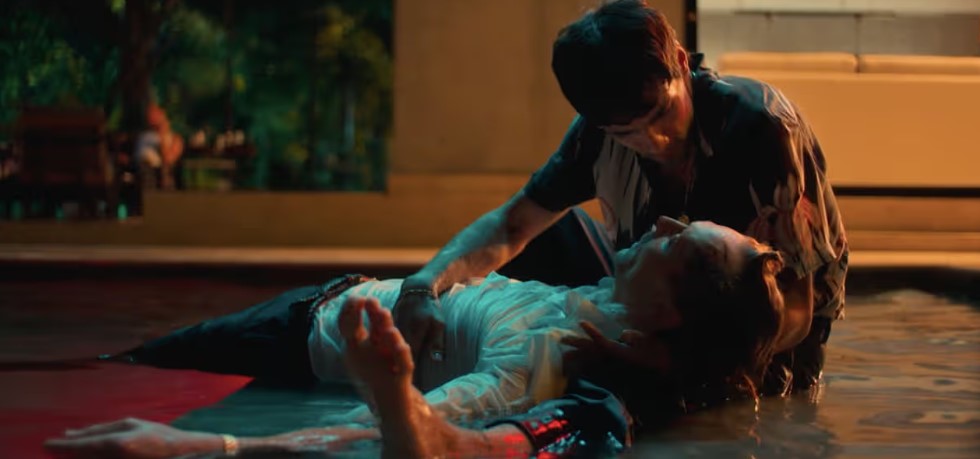
The pool scene is a very obvious moment for this. And it’s narratively more complex because he’s been drugged. And so this character has to fight his own ghosts and fears, and the audience has to feel that maybe this drug will make him more vulnerable, and he might reveal his real identity and expose Roxanna and the whole new plan for the second season. So this scene is almost more complex because he might lose control totally and expose the whole mission. There, we’re using voices from the first season, but what was also important was using the music and the score. We twist the source music and blend it with the score music and with the voices so we can get inside his head. We’re hearing some sort of reality, and some sort of new feeling of the drug. It’s a complex mix to make you believe that you are lost in his thoughts.
The show is mainly set in Colombia. Did you get to capture recordings there? Or, how did you make the location sound authentic? Any useful ambience/nature libraries?
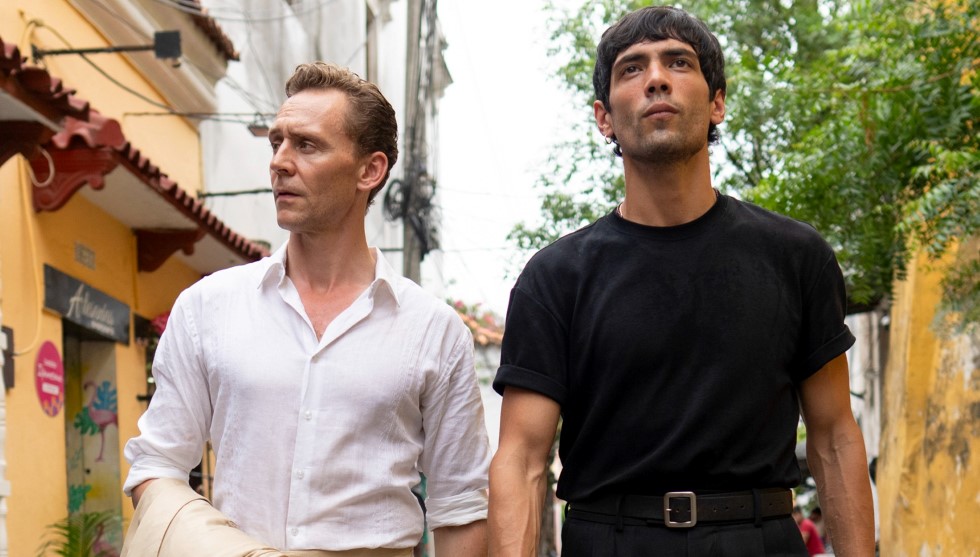
OT: Colombia is the new setting of the second season, and we recorded during the production shoot. The sound teams recorded many sounds. We did a breakdown of the script and delivered this breakdown to the production company before the start of filming. We knew which sounds we needed: the train, the jungle, the sea, and the tennis courts. Recording many of the sounds during production was very useful. Also, here in our studio in Barcelona, we have our background libraries. We had done other projects in Colombia, so we had fresh backgrounds recorded from those productions that we hadn’t used before. Using this material, we were trying to give this flavor that Georgi and the showrunners wanted. The Night Manager‘s second season expresses a more complex world. It’s not just one reality; it’s different kinds of realities that are living together in one place.
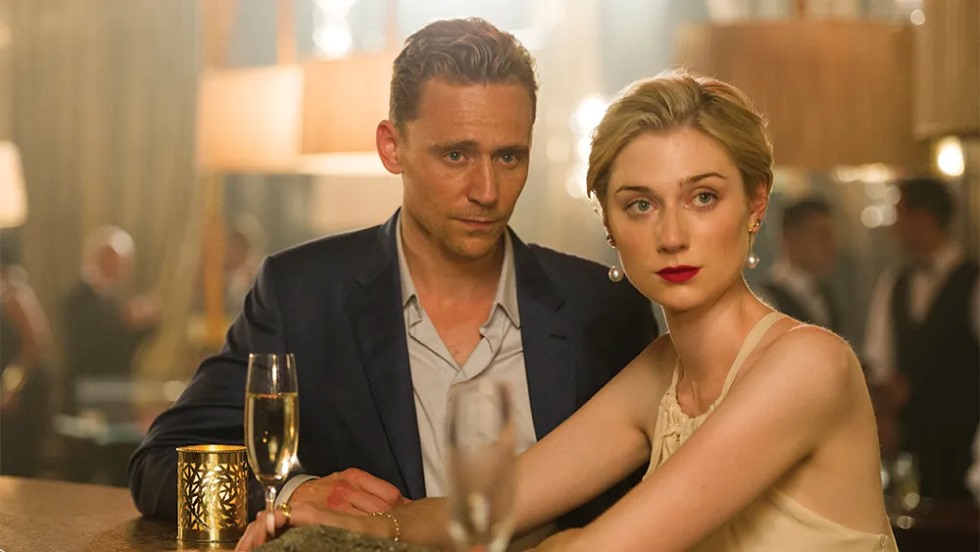
Parts of the story also unfold in London, in Catalonia (briefly), and Syria (briefly). What were some key elements to quickly sell the sound of these places and to establish the unique tone of these locations?
OT: The second season is very rich, with very different layers of complexity. Georgi said all the time, “Real reality is complex reality. It’s not simple; it’s not as beautiful as a TV show. We want to feel this complexity of different lives crossing each other.”
That was the main goal of the second season: to make every background a complex background of different things happening at the same time. That makes it very difficult because, at the end of the day, we’re doing a TV show, so all this complexity has to sound acceptable for the audience — not distracting yet still interesting. We needed to make all of this complexity of reality sound interesting for the audience.
Language gives the audience a quick way to identify each location. We used real recordings of different languages: Catalan, Syrian, British-English for London. We also used real recordings from Holland Park, and real recordings of the train stations of London — familiar sounds that instantly put the audience in that real space. We wanted the audience to feel that it is very accurate. For Syria, for example, at the beginning of the show, we used a call to prayer that is a real recording. The audience can easily identify the Islamic praying and it gives context to the background.
We also recorded guards inside the jail giving orders and screaming in Syrian in the background. We had backgrounds purposely produced for the show. For example, when Adam Holwell and Basil meet at the club in London, all the background sound is produced specifically for the show because we needed to have the right English accent for this clientele at the club — the right tone and the way they speak. This background was intentionally produced for the background of the club. We wanted to create a realistic perception of the spaces in each language or country.
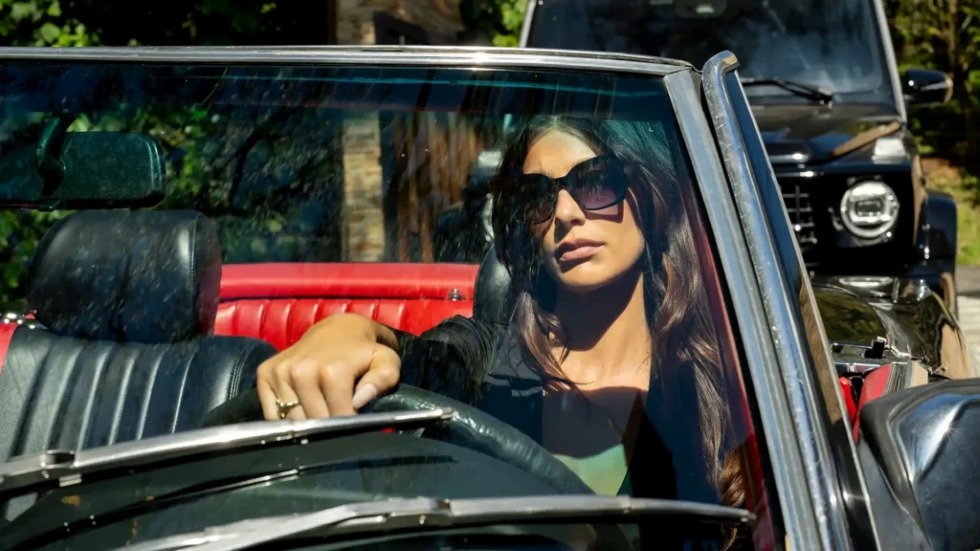
There’s a lot of music in the show. Did you get to hear it as you were sound editing/designing? Or, did you know that it would play such a prominent role in the mix (therefore freeing you from coloring in every background detail)?
OT: Yes, The Night Manager has a lot of music and not just score. There is a lot of source music, too. Yes, we were in touch with Federico Jusid, the composer. I had worked with him previously. He’d send us previews of the mixes and the cues. Also, the music editor was sending us the source music as a background. Georgi and I decided that since the music in Colombia (and all the other spaces) would be part of the background, we’d create a folder of different kinds of flavors and tones of music that could be established on the streets, or in the little markets, or in taxis, or in houses. So at the end, many other source music tracks were edited during sound editing.
This process also helped with what I mentioned before, of Georgi wanting to blend source music with score and backgrounds to make different realities, and make different layers of complexity of sound. We needed to have control of this process because it’s very difficult to make source music work together with score and backgrounds. So we’d need to find the right background music that could work with the score at that moment. That was also very complex work for music editing, which, of course, the music editor did. But we also had to do it during the mixing and editing because many different kinds of music were playing at the same time, and they had to work perfectly, sound-wise and melodic-wise.
Yeah, the music definitely played a big role in the mix, and we had to work hands-on with that as well.
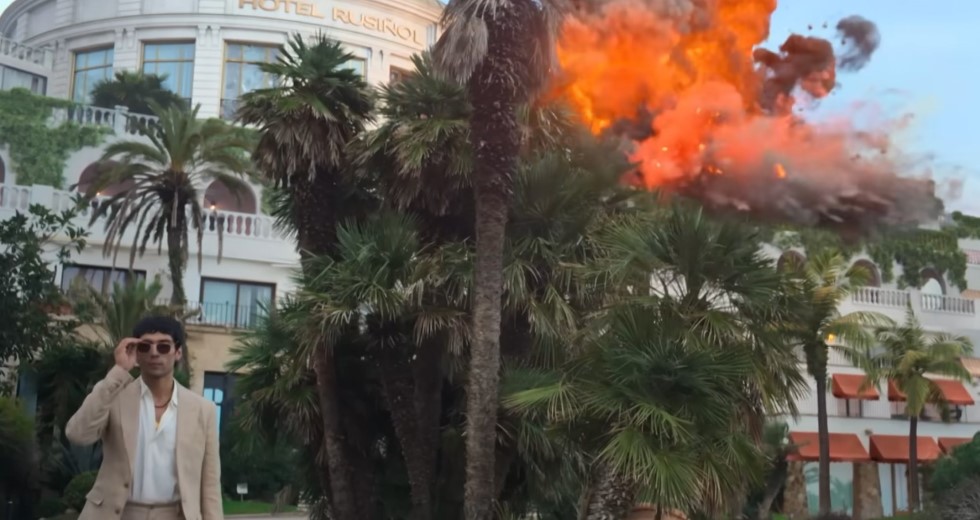
There’s an explosion at the hotel at the end of Ep 1. Did you get to do any cool explosion, firearm, or destruction recording sessions for the show? Any helpful sound libraries for these elements?
OT: Yes, the explosion was made from different elements to match the visuals. The explosion was filmed from inside the corridor and then from the exterior. We didn’t record any explosions for the show since this was the only moment of big destruction in the whole show. So we used library sounds for the explosion and some other archive sounds for the big explosion fire. We did record lots of sounds of debris, as well as screams and reactions to the explosion, to enhance this moment of destruction.
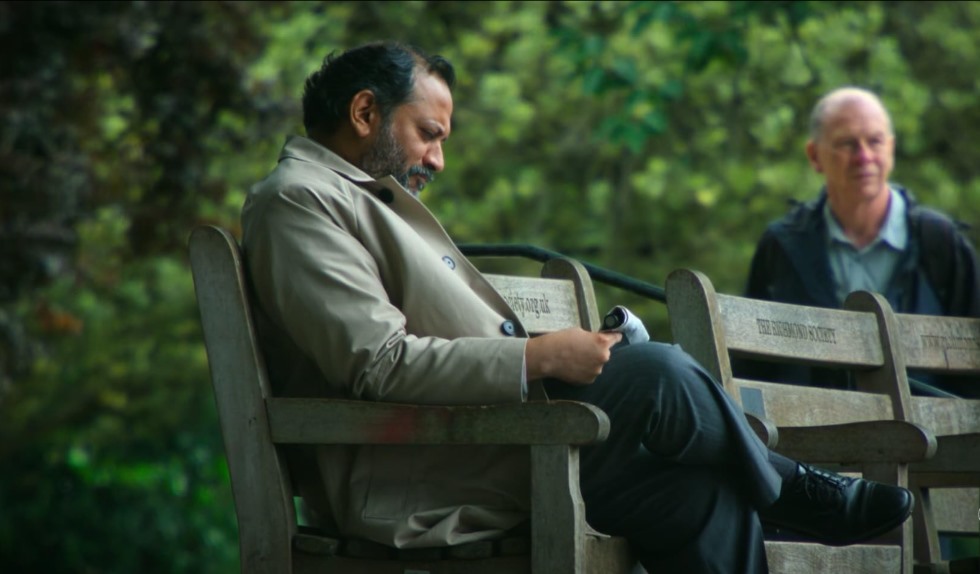
There’s a fun sound-led scene in Ep. 1, during surveillance of Jaco in the park. Jonathan’s team picks up Jaco’s conversation about an arms deal using a mic stuffed inside a newspaper. Can you talk about designing the sound of this not-so-ideal eavesdropping?
OT: Yeah, that was a fun scene, a typical espionage scene. Again, we tried to create a very realistic sound for the scene. In real life, you’d have many things going on at the same time. We could see these characters from different points of view from a distance, but the person who gets close to them is Waleed, with his microphone hidden in the paper. So that microphone is the closest we can get to these characters. So from the time the microphone is open, all the characters involved in the scene (no matter where they’re positioned) all share the same sonic point of view of the same microphone and we’re listening to it along with them. You hear people walking by, the wind blowing through the mic, and all the flaws that create this realistic, non-perfect, raw recording feel.
To make this scene more realistic, we created the background of the scene and then we have the dialogue, and we put it all together in a process that also involves these artifacts from the wind, the movement of the microphone, and people getting closer from different angles. The dog’s bark, for example, creates distortion over the line that they have to clean up later. And as listeners, we all shared that point of view with the characters.
What were some of your favorite moments for sound editorial or sound design in Season 2? Can you share details about your work on them?
OT: I mentioned this briefly, but we were trying to create an identity for the background of the Night Owls’ office. That was very difficult because it was a space that was filled with screens, and the characters were just facing the screens. We didn’t find that convincing enough, and we didn’t want to just play the sound of hard drives or computers or high-tech sounds. We feel bored of that kind of texture. So it occurred to me that maybe all of these hidden cameras in the hotels or hidden behind screens might have microphones built in, so when they switch from one camera to the other, these microphones can open or not. So we created millions of conversations captured by these hidden cameras, creating a cloud of background noise that is coming through those cameras, so we could get this texture of multiple people talking and living behind the screens.
It’s also enhancing our idea of a world that is complex and has so many things happening at the same time. So we created all of these layers of indistinguishable English or conversations that we’re adding on top of the others to create these different realities happening at the same time. That was something that I really liked.
Another favorite moment is in Ep. 3 in the hotel. We have this background music from the party downstairs. I had an idea that when they were fighting inside the room, we could feel that there was music coming through the hotel. So every time Roxana’s door opens and closes, the music comes in louder from the outside. This gives the scene a more complex reality, that this couple, Roxanna and Pine, are fighting in the room but there’s a party happening downstairs and later, they’re going to go and dance at that party. So there was this kind of set extension with sound that we wanted to give the whole season.
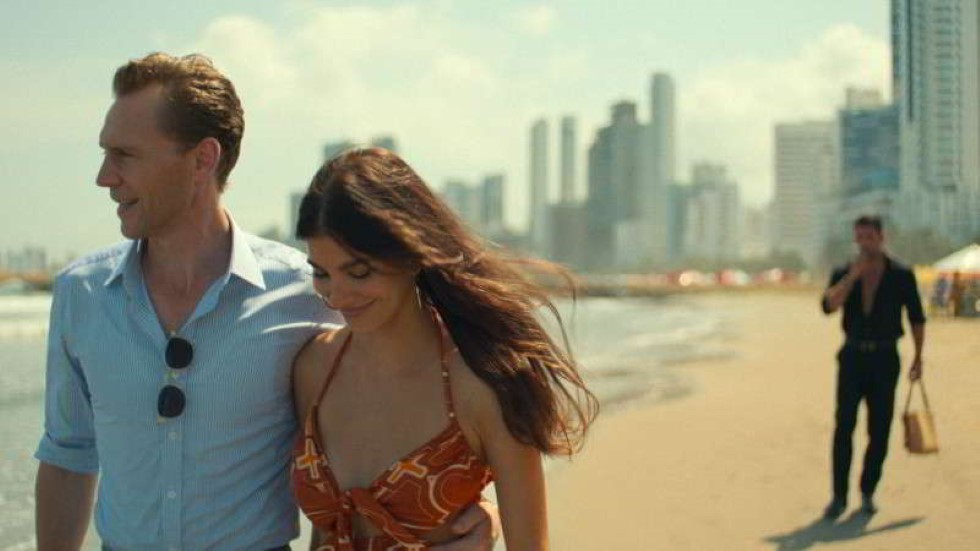
Another example is the scene at the beach. Sound-wise, it was very difficult because we couldn’t use all that production sound due to the wind and the noise of the waves. So we had to do ADR for that scene and then recreate this flavor of what it could be like at the beach in Cartagena on a weekday, but try to make it even better. So we recorded all these voices of people selling things, the children playing, the waves, and the music in the little bar. So every sound in there was like a very intentional balance to transmit this unique moment at the beach in Cartagena. The show is full of moments like that, where we recreated reality and tried to enhance it to give the audience a more immersive experience with all the flavors, colors, and sounds of Colombia.
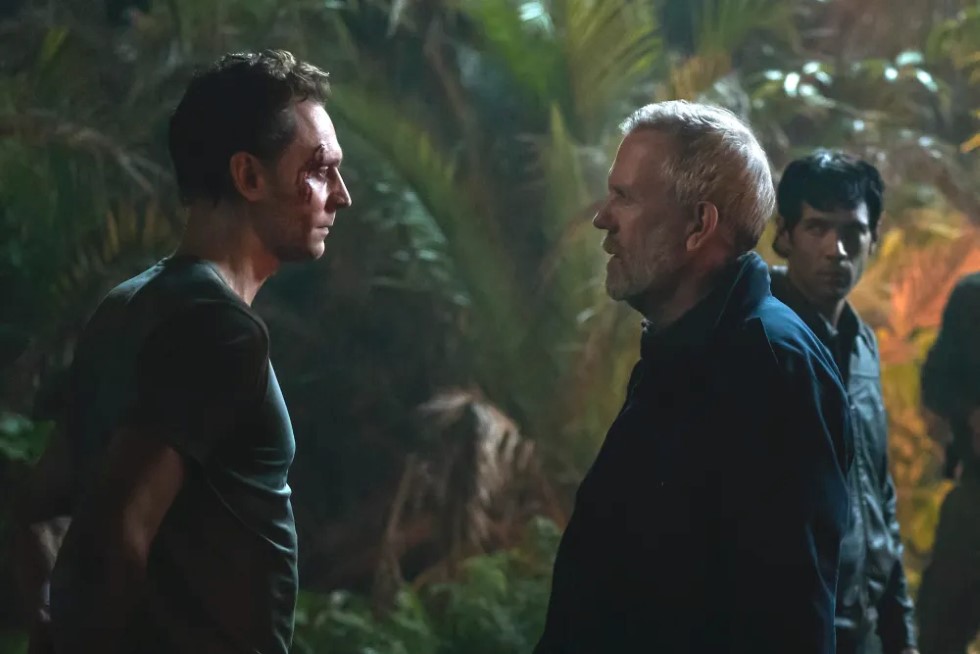
There’s also one moment in Ep. 3 when Pine goes to the facility at night, he sneaks into the office, and then Teddy comes in. We wanted to give this space a stylized reality, using the car-bys to create a breathing rhythm that repeats. We use this background to create a special atmosphere in this room, making it feel more like a spiritual moment. This background carries us to the end of the scene as we see Teddy auto-mutilating; we see that this character is also very damaged. So, this sound design background element makes the scene feel less grounded and more conceptual, and maybe links these two characters in this pain.
How was creating the sound of The Night Manager S2 a unique experience for you? What will stay with you now that the season is over?
OT: Working for The Night Manager‘s second season has been a great challenge, yet it was a great experience. My goal was to give the series creators the tools they needed to achieve their goals for this season, trying to help Georgi and the creators find the right tone for the sound. It was definitely a journey and a very rewarding one because I think we got a very special and personal sound for the show, where reality was not just about one story. Reality is full of different stories we encounter at different moments: in a train station, a bar, a hotel room, a hotel lobby, a car, or a house. The Night Manager is trying to explain all of these characters, who have different goals and totally different backgrounds. They’re trying to fight for what they want.
Also, other people in the background have a context, and we use sound to make the audience feel the context of these characters, the context of where they live, and what their life is like. The sound has many layers, and it was very difficult to balance them and make it work while still making the audience feel this complexity. At the same time, we had to make it feel real because everything was remade in sound post-production to enhance this idea. We had to recreate all these layers of sound happening all the time. For example, at the train station, we hear announcements, and on the train, we hear a guy on the phone. We hear music. We have the dialogue lines. There’s walla and source music. We have many different layers of sound and when you watch the scene, you think, “That’s reality.” But that’s not reality. We had to create the illusion of reality. That was the main goal of The Night Manager. This new reality of The Night Manager‘s second season was very complex, and we had to create and enhance it with sound. So for me, it was a great experience, and I learned a lot. I’m very grateful that we completed our objective for the sound.
A big thanks to Oriol Tarragó for giving us a behind-the-scenes look at the sound of The Night Manager and to Jennifer Walden for the interview!