






2x-Oscar-winning Supervising Sound Editor/Sound Designer Randy Thom at Skywalker Sound has been creating sounds for the How to Train Your Dragon franchise since DreamWorks Animation released the first film in 2010. With the release of Universal Pictures’ live-action How to Train Your Dragon (2025) — now available for digital purchase and rental — Thom got the opportunity to revisit the original story with a new approach to sound. He found the live-action visuals required a more complex treatment, yet he didn’t want to stray too far from what fans already know and love. Here, Thom talks about his sound design on the dragons’ vocalizations, creating commotion for the opening attack on the village of Berk, designing a huge palette of interesting whooshes, and he also reveals which dragon he’d choose to fly on in the film!
 Early BirdNOVA by Mattia Cellotto is coming soon!Become an Early Bird and get 3 SFX libraries (worth $125 total!), FREE with your NOVA orderBECOME AN EARLY BIRD →
How To Train Your Dragon | Official Trailer
There’s been so much established in terms of sound for How to Train Your Dragon, from the animated films and series. How did you want to honor this for the sound of the live-action film? Also, how did you make it different for the live-action film?

Randy Thom (RT): Hi, Jennifer!
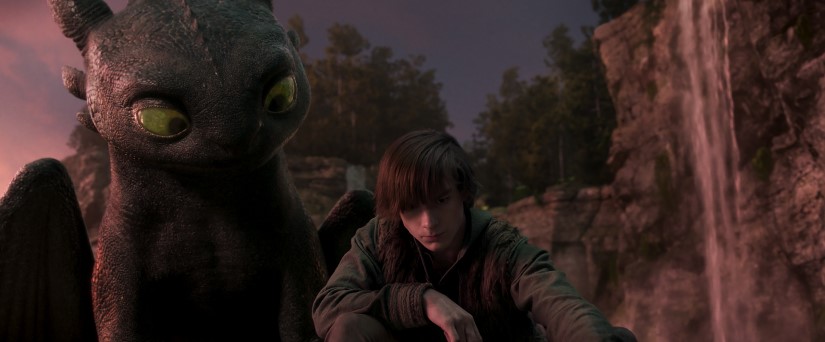
I have to admit that when Dean DeBlois (the Writer/Director of the series) asked me to work on the live-action version, I briefly thought, “That’ll be easy. We’ll just use all the sounds we already did!”
Of course, it didn’t work out that way. We quickly realized that the live-action version called for a far more complex treatment. There were lots more visual details to focus on.
But we always knew that we had to stay true to the basic style we had established in the animated series, use basically the same kinds of sounds for the dragon vocals, etc. Otherwise, the fans would have revolted! In the end, we discovered plenty of ways to expand on what we had done before, while still keeping it familiar.
Having worked on the original animated film, and now getting the chance to revisit the same story in the live-action version, what did you want to do differently this time around? What’s something new you wanted to bring to this story in terms of sound?
RT: We were pretty happy with what we had been able to do with the animated series, sonically. I don’t think there was any area where I was itching to do something brand new, or felt like there was something we hadn’t done well enough the first time around. Of course, there are some new dragons to invent sounds for. That was the usual fun/challenge.
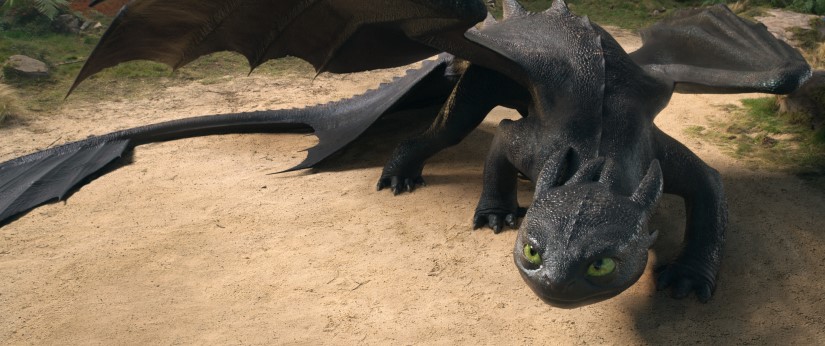
I love how expressive Toothless is! He’s got quite the vocabulary. What went into the vocal sounds for Toothless in this film?
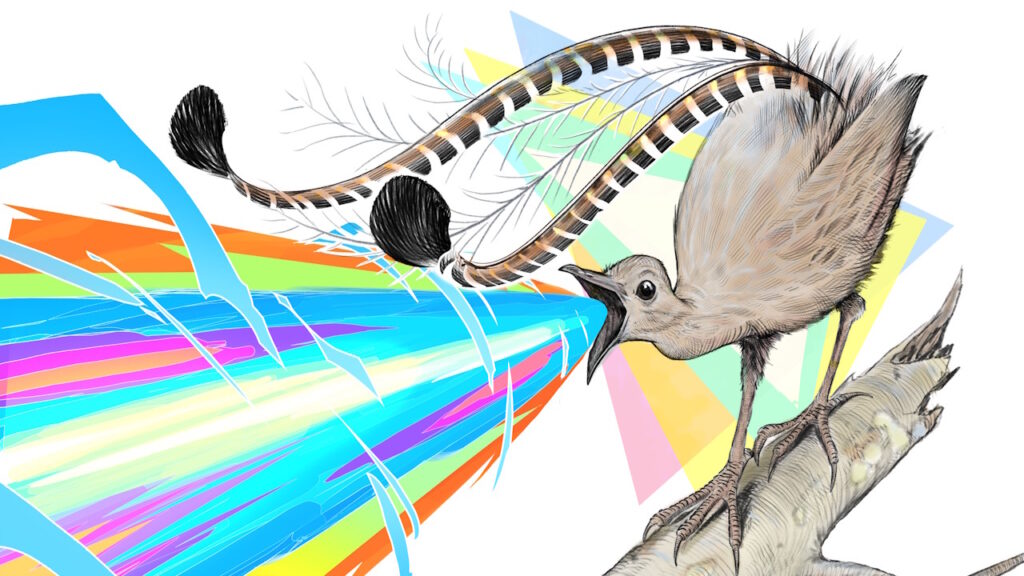
RT: The main raw sounds that I used to make the Toothless voice for animation and live action are elephants, dogs, and my voice (when I couldn’t find any other way to do it). But I also used seals, horses, and big cats.
The film opens with a full-on dragon assault of the Viking village of Berk. It’s a really important scene for setting up the audience’s expectations for sound in the film. Can you talk about your approach to sound for this scene?
RT: In a scene like that with tons of stuff going on — almost constant dialogue, sound effects, and music — the most important thing is to constantly shift the focus of attention, sonically. Obviously, if you just put all the faders up at unity for all the sounds that have been provided by every department, chaos (i.e., a wall of noise) would be the result.
So the trick is to gracefully shift focus from one set of sounds to another set of sounds in a way that makes the audience feel that they are hearing everything they are supposed to be hearing, even though what they are hearing is a tightly curated presentation at any given moment.


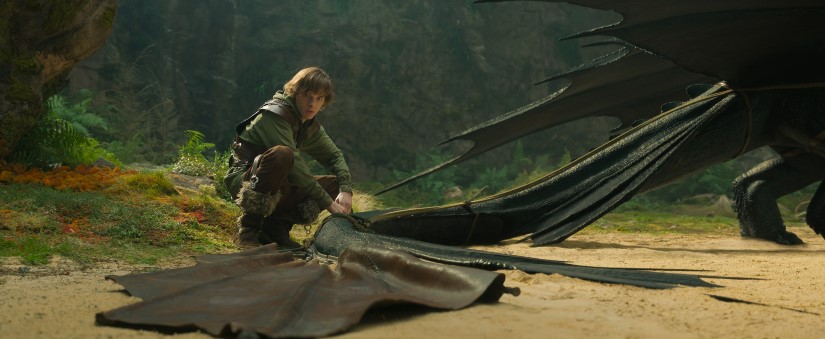
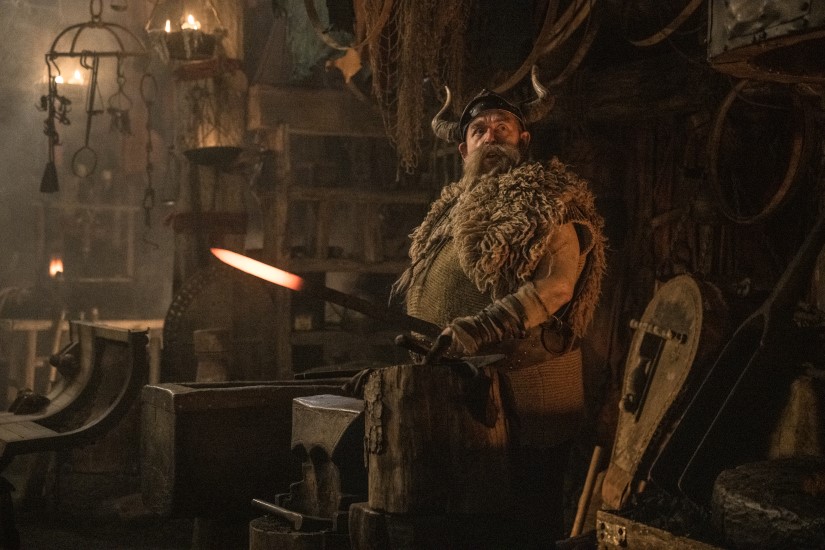
This world is very rustic, with primitive technology — a lot of wood, heavy metal, and stone. Did you do any custom recordings of these elements, like for Gobber’s workshop, or for Hiccup’s machines and devices?
RT: We did lots of great foley for the film. Thank you to Shelley Roden, Heikki Kossi, and Dennis Leonard!
And we did record a few props wild. But having done other kinds of Viking-related films before, we also had quite a bit of material in our library that we hadn’t used prominently before.
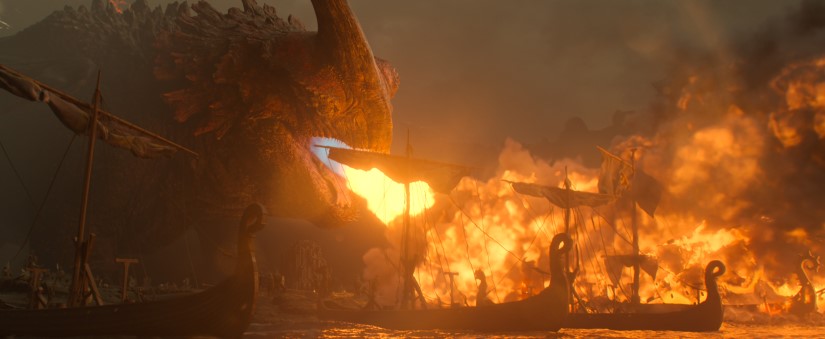
What went into sounds for other classes of dragons, like the Red Death (the giant queen dragon)?
RT: Actually, a hippopotamus features pretty strongly in the Red Death’s voice. Dean wanted her to sound ultra-grumpy, and hippos seem to have that aspect to their vocals.
The Nadder was another fun one to work on. Al Nelson had done lots of great work on that dragon for the animated films. Parrots and macaws were used, as well as big cats and iguanas.
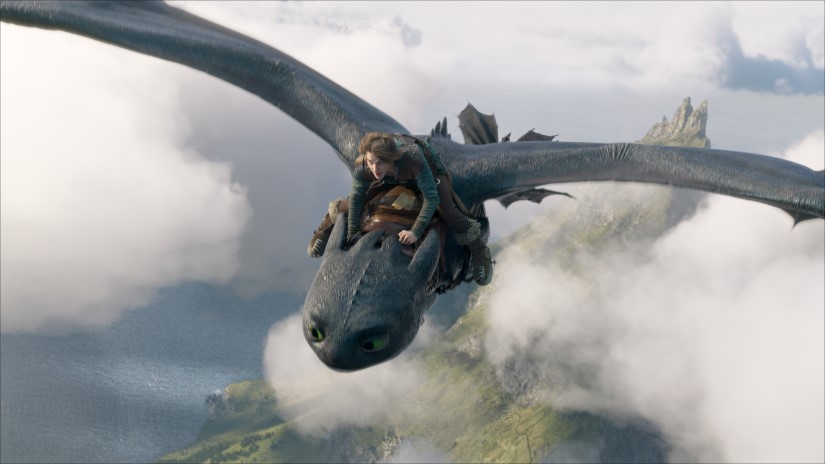
There are so many whooshes in this film! How did you design new whooshes?
RT: I’m a big fan of using wind recordings, and either Doppler shifting them or just doing a dynamic pitch change to simulate a Doppler.
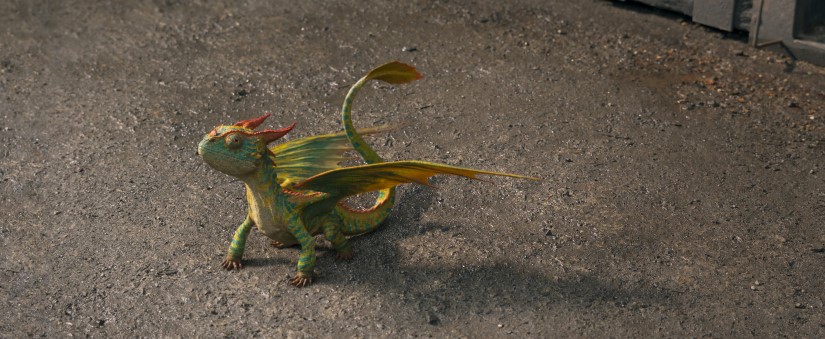
What was your biggest creative challenge in terms of sound on this film?
RT: Creature voices are almost always the biggest sound design challenge, especially when the creatures need to express a wide variety of emotions. I often tell young sound designers not to bother trying to impress me with ambiences. They’re relatively easy. If you want to blow my socks off, create creature vocals that make the same creature sound vicious and terrifying, injured, affectionate and nurturing, and comical. If you can do that, you’ve got the right stuff.
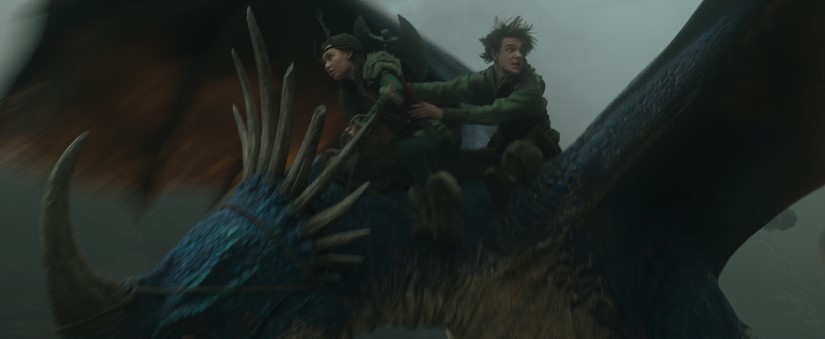
What was the most challenging scene to mix? Why?
RT: I didn’t mix the movie. That was Paul Massey and Leff Lefferts. Big action sequences are always tough and always take a lot of time, trying to pass the baton between sound effects, dialogue, and music. So I would have to say the opening scene and the big battle with the Red Death were the most difficult.
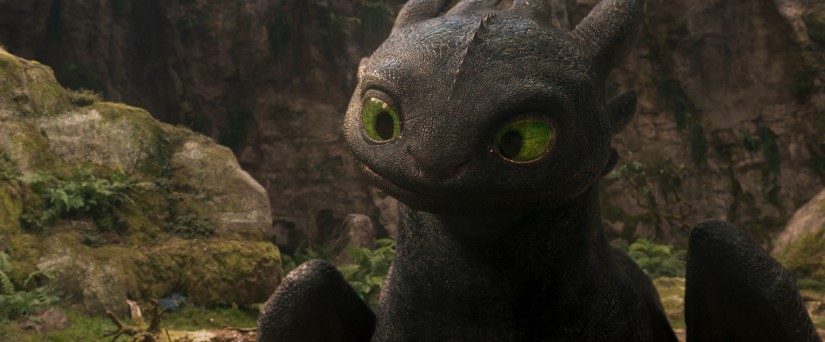
If you were a dragon rider, which dragon would you choose to fly on?
RT: Toothless, of course!
A big thanks to Randy Thom for giving us a behind-the-scenes look at the sound of the live-action film How to Train Your Dragon and to Jennifer Walden for the interview!