


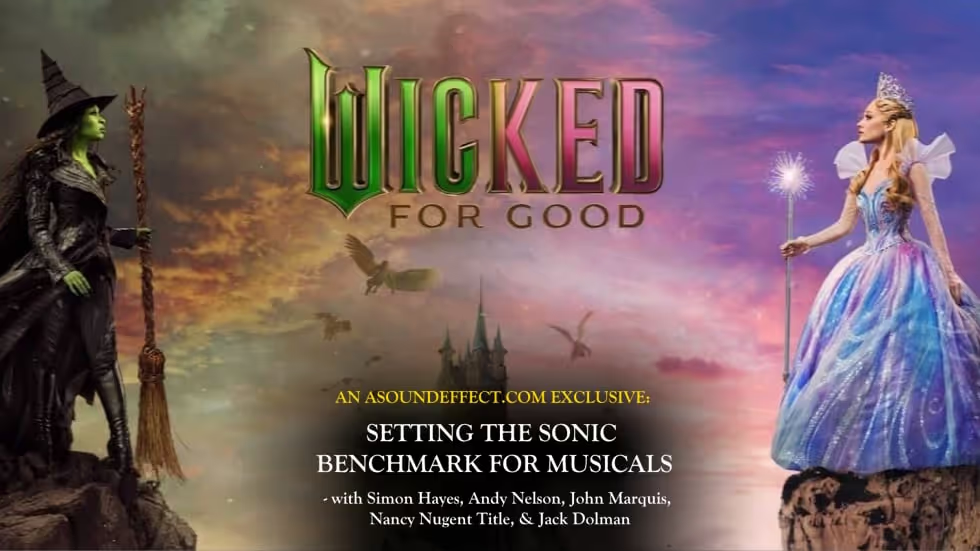
Director Jon Chu reunited with his sound team from Wicked to wrap up his two-part film adaptation of this hit Broadway musical. Wicked: For Good‘s sound team was led by Oscar-winning Production Sound Mixer Simon Hayes, 2x-Oscar-winning Re-Recording Mixer Andy Nelson, Supervising Sound Editor/Sound Designer/Re-Recording Mixer John Marquis, Supervising Sound Editor/Sound Designer Nancy Nugent Title, and Music Editor Jack Dolman.
Both Wicked films feature live singing, but Wicked: For Good takes that approach even further, using a live keyboardist to support the main singers/actors. Without a set tempo to hit from a pre-recorded track, they could let the emotion of the scene dictate their performance. This made the transition from dialogue to song feel inspired, allowing the playfulness of Jeff Goldblum’s performance as the Wizard on “Wonderful” to shine, and the power of Cynthia Erivo’s “No Good Deed” to stir the audience.
The sound team on Wicked: For Good had two objectives: protect the live performances, and support the emotion of the story. They achieved those goals by capturing clean on-set performances, meticulously editing the production sound to minimize ADR, making tempo-free live tracks work in post, designing sounds as non-traditional musical elements, and mixing the film to maximize the emotional response.
Wicked: For Good — mixed at Warner Bros. Post Production Creative Services in Burbank on Stage 9 — is the benchmark for all future musical films, with its natural-feeling ensemble songs, the connection to the characters through live singing, the fluid transitions between dialogue and songs, and the contrast between big, powerful moments and quietly powerful ones.
Here, the sound team talks about the challenges of using a live keyboardist with no set tempo, building ensemble songs, like “Everyday More Wicked,” using hundreds of people from pre- and post-recorded children’s choir, adult choir, and on-set vocals and foley footsteps and movement sounds mixed with on-set recordings, designing a feeling of whimsy into the Wizard’s machinery, tactfully handling horrorific moments using subjective sounds, and much more!
Wicked: For Good | Final Trailer
I love that Wicked: For Good used the same sound team as Wicked (2024)! How did you improve on the incredible workflow you had on the first film? What were some things that you discovered while working on the first one that you were able to improve on for the second one?
John Marquis (JM): We did have some bottlenecks on the first. The good thing is that we were all on from a very early stage, and so we had a lot of time to work out some of those kinks. By the time we got to the end of part one, we had a really good flow. A lot of things were set in motion, making it easy for us to get into part two and pick up right where we left off. There weren’t huge curveball changes. We had much more creative freedom because we didn’t have to work through numerous updates and changes to our workflow.
Nancy Nugent Title (NNT): Also, the film itself is such a different movie from the first one in terms of its story and depth that it allowed us to approach it in a fresh way, having learned from the first one how to go into the second.
In a way, the story dictated how much further, deeper, and richer we could take this soundtrack for Wicked: For Good.
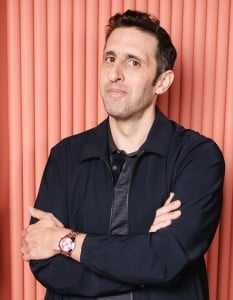
Jack Dolman (JD): Yeah, this second film gave us a huge opportunity. It became much deeper in its emotional payoff and story between Elphaba and Glinda, allowing us to transition into a more dramatic musical soundtrack and sound world. That deepened our challenges yet also allowed us to lead with our hearts and pursue the emotional goals that Director Jon Chu wanted us to achieve. And so shifting into that headspace was the biggest challenge and ultimately the greatest reward for us.
NNT: And continuing to work with the same crew was helpful in that, on every project, you have that startup time where you’re working out the kinks and lines of communication. Everybody has a slightly different workflow. We didn’t have any of that; we just hit the ground running from a creative standpoint rather than a technical one.
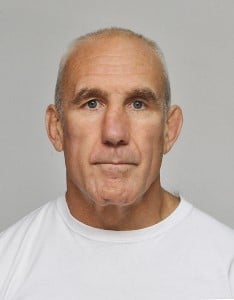
Simon Hayes (SH): The first movie is very locked to tempo. It has lots of big choreographic moments. We have to really emphasize the drums and the bass. But we go much darker and much more emotional in Wicked: For Good. That gave us a chance to let Cynthia Erivo and Ariana Grande have more freedom in how they performed, because many of the backing tracks are very sparse until we get deeper into the song.
And so we explored a lot more live keyboard. We gave Jack [Dolman] all sorts of challenges in post by going free of tempo, having to tempo-map from MIDI off the live keyboard.
The live keyboard player, Ben Holder, was basically another character in Wicked: For Good. He was always in Cynthia’s and Ari’s ears. He was playing very instinctively, just allowing them to lead him, never taking charge of the musicality and letting them have complete creative expression as they sang, which obviously creates huge problems for Jack in post that he overcame incredibly well.
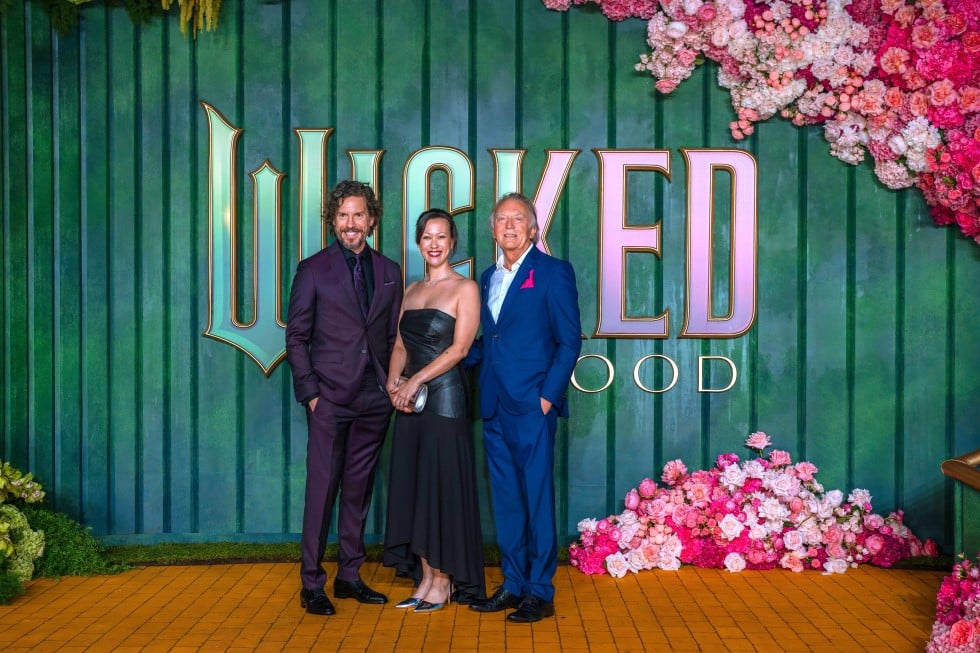
The live keyboard and free tempo made this musical feel very natural…
Andy Nelson (AN): It’s the combination of live singing and live dialogue. In a sense, you’re going from the same medium. Years ago, when I started working on musicals, I would think, “Oh, here’s a song. Now we can make it sound more like an album.” That’s great if you close your eyes, but not if you’re watching a movie.
And I learned very quickly that the more real and authentic you can make these moments, the more engaged the audience is in the believability. It’s completely believable because it’s happening in front of you. It’s like live theater in that sense.
SH: As a team, what we did with Andy and his ability to basically go from the live dialogue into the live singing without a transition — without putting different reverbs on (if he does, it’s very subtle) — was we focused on the emotions of the characters and the story.
Every decision, from the set to the dub stage, was made to support the emotions of the story.
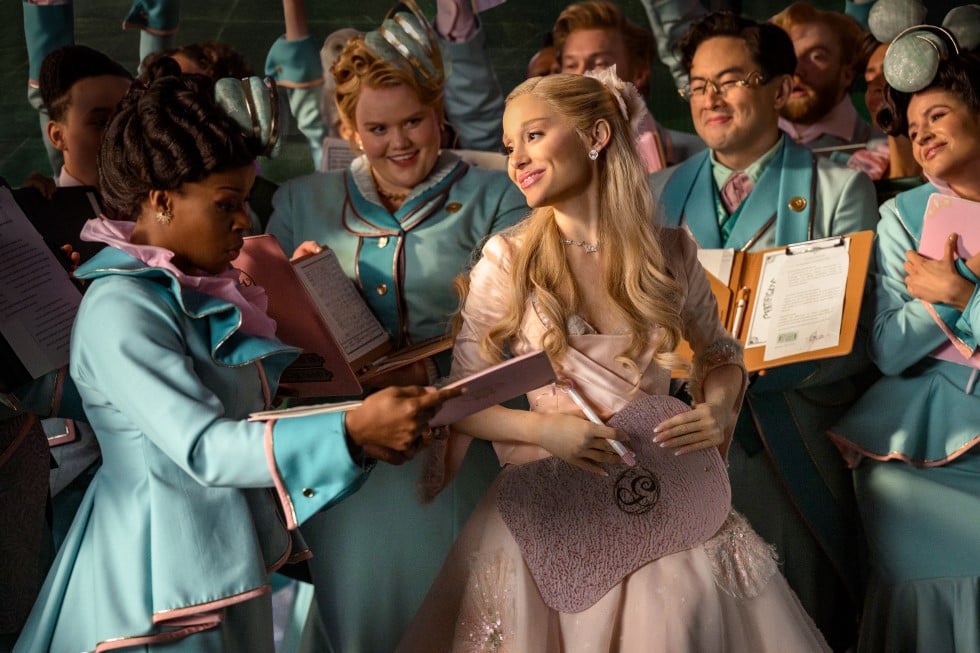
And what about the ensemble singing and dancing songs? What did you do in terms of recording the people we see as the camera passes by? You hear those individual voices pop out of the ensemble. How did you handle that on set? Did you have the ensemble dancers mic’d up if you knew they were going to be on camera?
SH: This is a masterful blend of everything. It’s got it all. We certainly mic’d up people that we felt that the camera was going to hone in on. In addition, we have a fantastic chorus from the post department coming in to help those tracks.
We had pre-record chorus, and post-record chorus, and we were also doing live vocals for people in the close-ups. That combination speaks to the incredible mix. It is a bit of everything, the way we did those big ensembles, and I’m sure Jack can speak more about it.
JD: It is so important when you’re in the stage context that the ensemble and the people “stepping out” (we call them “step outs from the ensemble”) make a huge contribution to the narrative impact of a song in the film setting. You can take that and make it more multidimensional.
We had every single flavor of ensemble recording on separate tracks. That whole section of our sessions was enormous. In some cases, there were hundreds of people. We had children’s choir; we had adult choir. We were able to masterfully assign all those different elements to Andy on separate faders to really capture whenever the camera moves by.
We had every single flavor of ensemble recording on separate tracks
One song in particular, “Everyday More Wicked,” you go through the Emerald City. You’re tracking where the characters have gone, where they’ve come from, and where they’re going. And the ensemble is riled up. They’re a mob. They have a reason to be unified in their pursuit of Elphaba. And so, capturing those little moments of anger and emotion was crucial. Having all that separation and the ability to play it as we see it allowed us to up the ante with the ensemble on Wicked: For Good compared to the first Wicked movie.
NNT: Jon Chu never wanted any of those big songs to sound like a music video. He wanted us to be real in the setting. So all the foley, all the movement, all the chatter in between, and the larger crowd walla around them was never crowded out by the singing. It was all supportive.
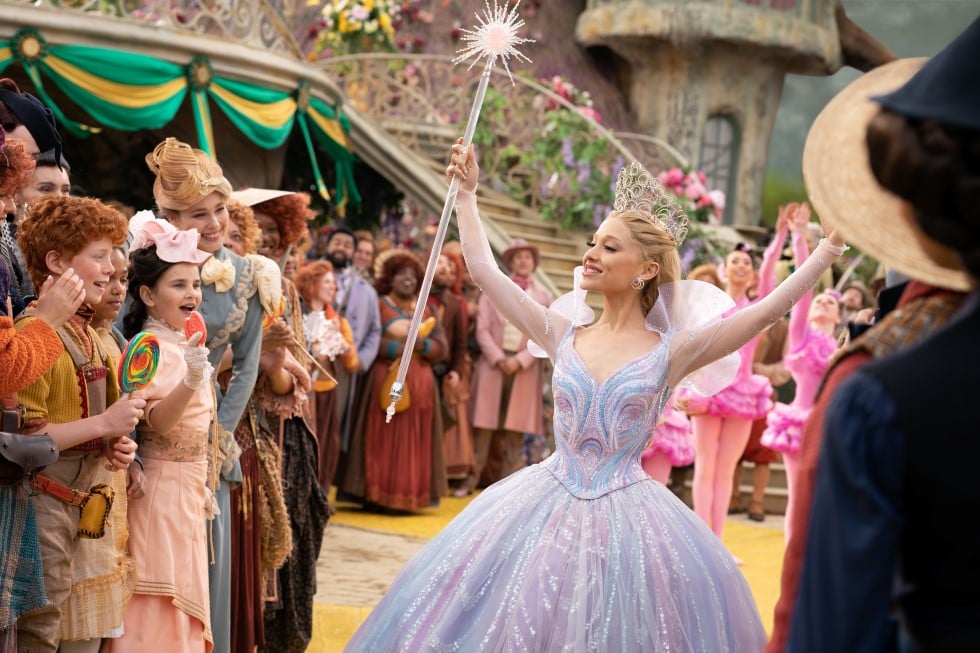
The foley in those ensemble numbers really did add to the realism, making it feel alive and happening in the moment…
SH: We did capture a little bit of that on the set, but that just became an element in Nancy and John’s sound design. We did some subwoofer work on the set where we would get the real footsteps. But, again, it was a blend. It was about getting the best elements from set and handing little bits of the ingredients over to Nancy and John. It was almost like cherry-picking the best from everything.
JM: Yeah, that’s what sets it apart. The world is very important to the story. It’s very important for connecting to the characters. You have to feel the visceral nature of the environments they’re in and the activities they’re participating in. And it’s beautifully choreographed and edited in time, so we spent a lot of time working through the minute details of the tone, harmony, and tempo of all the elements that aren’t traditionally “music” in these songs, throughout the whole movie, so that it’s cohesive.
we spent a lot of time working through the minute details of the tone, harmony, and tempo of all the elements that aren’t traditionally ‘music’
They’re all treated as musical elements even though they’re not your traditional type of instrument. That was very important.
NNT: Part of the trick is the balance between making sure everything feels organic and lifelike and happening in real time but, at the same time, Oz is pristine and musical. So it’s about having things not be too on beat or too perfect, but still perfect enough that it feels like a musical world. That was the balance that we were chasing.
JM: At the end of the day, it’s about feeling like we’re all in the room; you have to feel it. And whether that’s something that’s in sync or out of sync or in tune or out of tune, it’s all about: are we getting an emotion out of this? Are we feeling it? That’s what dictated all the decisions we made.

Yeah, so you’re cutting the ensemble foley footsteps so that they’re not perfectly on beat or in time with each other. You need a little bit of slop to make it feel real…
JM: Some of the most beautiful aspects are when you can see the artist’s brushstrokes. It’s so beautiful when you can see the messiness.
SH: That also speaks to what Nancy was saying about Jon Chu not wanting it to feel like a music video. It’s the imperfection; that’s where the humanity is.
NNT: Absolutely.
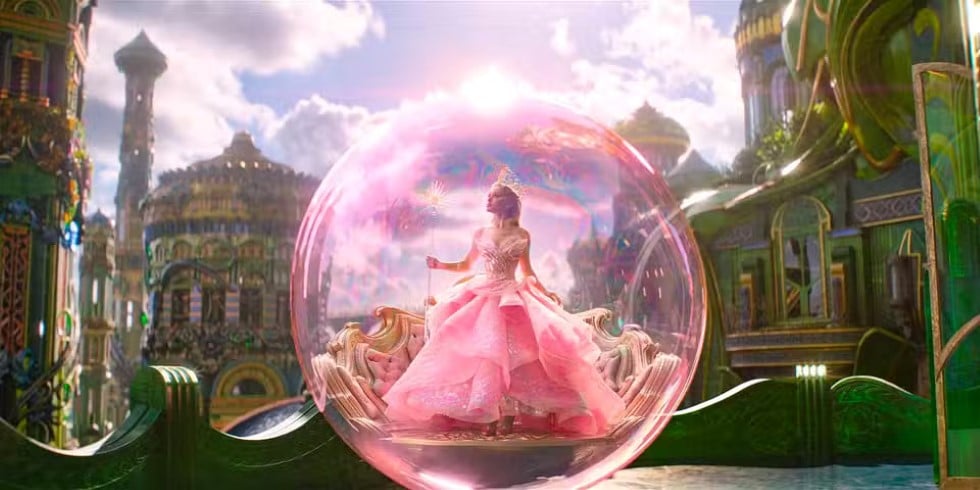
Let’s talk about Glinda’s bubble vehicle. What went into the sound for this?
JM: I love the contrast with the fact that it’s something fantastic and supposedly magic, but at the end of the day, it’s just gears. It’s not magical at all. Everything the Wizard touches is whimsical, musical, and fun.
We had a little flavor of it in part one, but we got to dig in and have a bit more detailed view of the gears and how the gears can interact, and play up the mundaneness of that “ca-chunk” when she steps on the pedal and the fantastic nature of that bubble sound as it surrounds the carriage. It’s so warbly and enveloping.
we got to […] play up the mundaneness of that ‘ca-chunk’ when she steps on the pedal and the fantastic nature of that bubble sound as it surrounds the carriage
The cherry on top is always Glenda’s interaction with the bubble-carriage. That’s what makes it so funny, when that bubble goes up for the first time, and you hear her react, and it’s all muffled. That really adds to the comedy and the moment’s sweetness.
SH: What was super cool, John, about that was that it was almost like Ari knew what you were going to do with the sound design. She instinctively knew that you were going to play with that sound design because when she pops the bubble, she has this reaction.
I didn’t think about it at the time. Then I saw the mix and heard what you’d done. And I was like, “My God, she knew.” It’s incredible what an instinctive artist she is around sound. She had the foresight to play with what you would later do with the sound design.
JM: Yeah, it’s a real trust exercise. She’s trusting that we’re going to make this sound the way I’m performing it right now.
We have to give a shout-out to Myron Kerstein, our picture editor, because the timing of those edits was perfect
AN: We have to give a shout-out to Myron Kerstein, our picture editor, because the timing of those edits was perfect. Knowing what was going to happen with the sound design, he was able to then play with the timing to make it as perfect as possible.
JD: Protecting Ari’s incredible comedic timing and instincts was a major priority for us in scenes like that. We want to make her shine as much as possible. She’s hilarious in those scenes. She’s so natural. And the sound design with the bubble is a great example of supporting her performance in those moments.
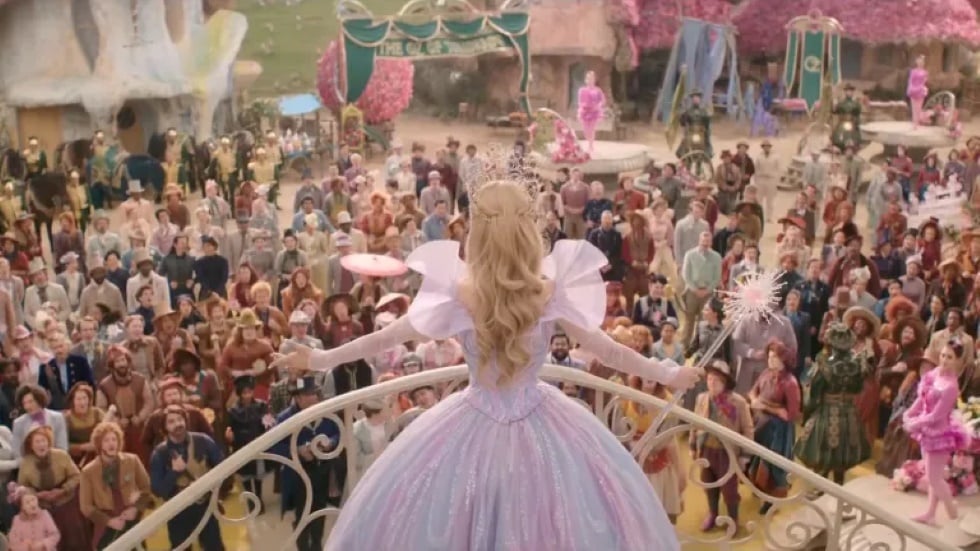
And the treatment for her voice inside the bubble? What was your approach there?
NNT: That was a multilayered process that involved a tiny reverb, like putting her in a little box, and a large reverb that is emanating through the bubble as it warbles. There’s also an EQ on her voice to muffle it up. But it was just balancing those different versions of it to get the most comedic bang for our buck.
AN: When people laughed, you knew you’d got it, Nancy. That was the thing.
NNT: There was basically one version of it, because everybody laughed. Everybody laughed in part one, so we carried it forward.

Keeping on the subject of the Wizard’s machines, in Wicked: For Good, we get a longer peek behind the curtain. We get to see so much of his fantastical machinery. How did you expand on what you’d done in the first film?
JM: We raided the studio’s prop department and recorded a whole bunch of different styles of bells and metal, just knowing it was going to be such a big player. And again, we’re highlighting the musicality of all these gears and the inner workings of his lair. We’re trying to keep (as much as we can) all the sounds in musical harmony, tempo, and sync, where they play well. It’s about having fun. It’s about accentuating the whimsy, mystery, and fun nature of the Wizard.
when it comes to Jeff Goldblum, his style of performance on set is all improvisational from start to finish
JD: Going back to what Simon was saying earlier about the free tempo, when it comes to Jeff Goldblum, his style of performance on set is all improvisational from start to finish. He rejects any set tempo maps. Everything was done with a live keyboard. Every take was slightly different, and arriving at those final tempo maps based on the live keyboard performance as dictated by Jeff Goldblum’s vocal performance was a surprise. And so when those edits came together, finding a place for the vocals and for all of these sound design elements that John just mentioned was a real dance.
That’s essentially what that sequence for “Wonderful” is. It’s a dance. Everything is working together sonically to create the charm that the Wizard demands in that moment.
AN: Pitch and tempo. Right, John? You must have had that sign in front of you for two years: pitch and tempo.
JM: You’d have to sit there and fine-tune the harmony to get it right, because something can sound dark or happy depending on those intervals. And so it’s a lot of moving parts. We had some amazing sound designers to keep us on track throughout that because it’s a lot of moving pieces.
SH: With Jeff Goldblum, it really was like having an old-fashioned showman on the set with us. In fact, he was as much “Wizard” as he was “showman” as he was Jeff. It was just this wonderful blend of someone who wanted to have complete and utter freedom on the set.
He was playing with our keyboard player. It was almost like they were jousting with each other, and he was finding comedy in that
He was playing with our keyboard player. It was almost like they were jousting with each other, and he was finding comedy in that. He had the live keyboard in his IEM (in-ear monitor), and as I was recording, I thought, “Oh my God, Andy, Jack, John, and Nancy are going to have so much fun with this.”
It’s not something you’d ever find in any other movie. It’s more akin to a stage performance, and we were able to give him that support. He’s very aware of sound; he’s a musician, obviously. He would come over after a take and say, “How was that?” And he was so happy when we said, “It was great. Let’s do more of that.”
For him, finding that freedom in his performance and knowing that he was able to have that freedom and that we were able to capture it was really special.
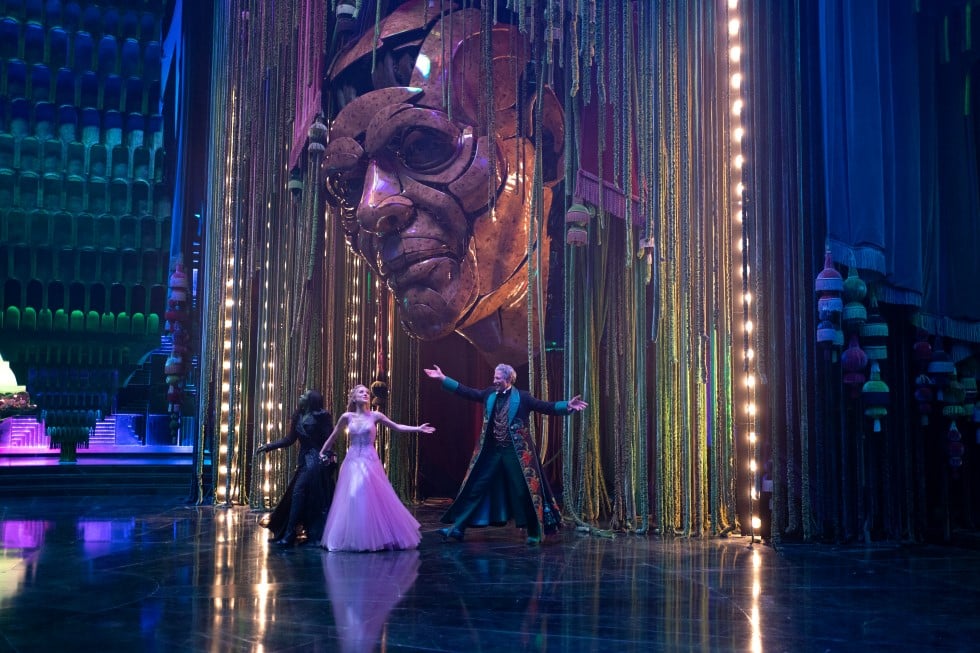
You can tell that Jeff was having so much fun during “Wonderful.” That was my favorite scene in the film. All the energy in that musical number, from all the characters, came through in their performances. They were having a grand time on that one…
JD: Another thing to remember is that the improvisation we’re all talking about extends to Stephen Schwartz, who wrote the music and lyrics. When those edits were finally put together based on Jeff’s singing performance, Stephen filled in the gaps with new orchestration purely by listening to the vocal performance.
Stephen filled in the gaps with new orchestration purely by listening to the vocal performance
So even the instrumentation you’re hearing underneath is improvised based on where the cut ended up, which was based on all those choices that Jeff made. Part of the reason why it’s so charming is that you really do feel like it’s a fun improvisational dance in every single department.
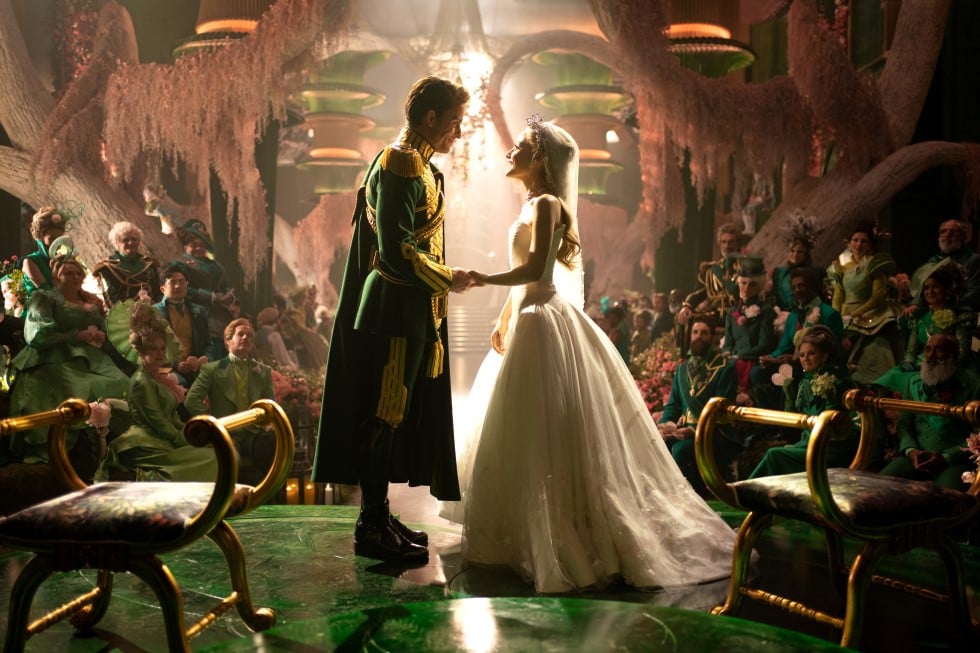
“Wonderful” is followed by a darker sequence in which Glinda has her wedding and, at the same time, Elphaba discovers the caged animals in the Wizard’s chambers. What were some of your challenges for sound and music for this scene?
JM: Sonically, Jon and Myron were into pushing the contrast between the happy event and the terror of Elphaba’s discovery. The shots build anticipation for where the story is headed. It’s a slow revelation leading to ultimate terror and a horrendous experience.
For us, it was additive. We’re looking to communicate the sadness, bleakness, and hopelessness happening downstairs, and the joy, happiness, and beauty happening above.
NNT: That sequence really encapsulates the contrast between the two main characters as they do the same walk down an aisle: one in this beautiful gown at this wedding, and then the other in this horrifying dungeon of trapped animals. We just support that sonically.
AN: Score composer John Powell and Stephen Schwartz did an extraordinary job with the music there as well, just coloring it darker each time we go below to Elphaba. John and Nancy integrated all of that into the sound design for that sequence. There’s a great contrast between those two scenes all that time.
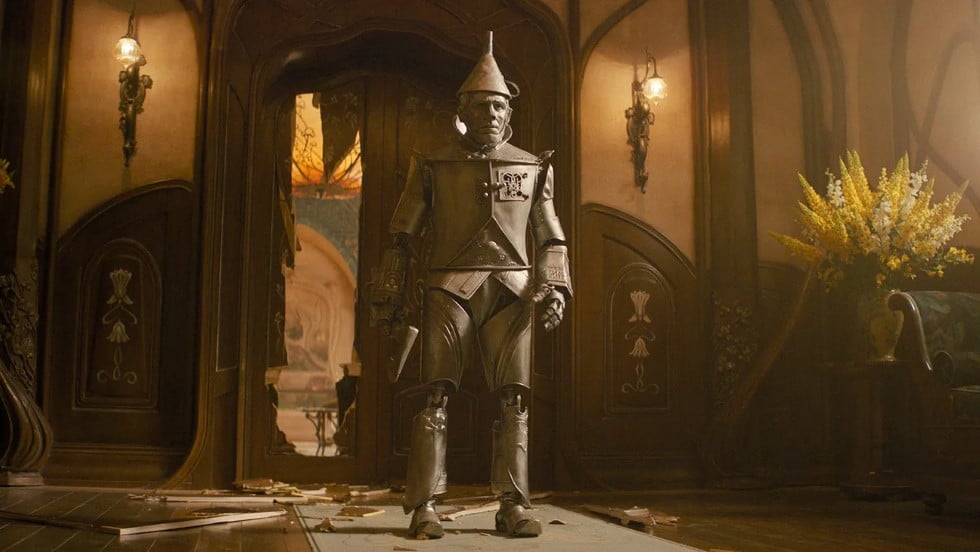
In Wicked: For Good, we get some of the classic Wizard of Oz characters, like the Tin Man and Scarecrow. What was your approach to the sounds for the Tin Man in his transformation sequence?
JM: I based a lot of that on memory. Thinking back to the classic Wizard of Oz, you try not to get overwhelmed with the epic nature of what it is you’re working on here. We got to work on Scarecrow, the Tin Man, and the tornado!
Again, we hit the prop department and pulled up some suits of armor, some very interesting little cages, and other squeaky objects that evoked the musical nature of what we can do with metal.
We hit the prop department and pulled up some suits of armor, some very interesting little cages, and other squeaky objects that evoked the musical nature of […] metal
At the same time, with the transformation, we have the brutality of what’s happening to Boq in that moment. Jon really wanted to capitalize on that, to express the ugliness of this transformation — the ugly necessity of it.
AN: And to acknowledge the visuals, picking up on the tea tray and the teacups and all the things that became part of his transformation. I think you were able to utilize all those practical sounds as well and distort them into something that becomes part of his character.
JM: Yeah, it was nice being able to work with the practical nature of some of those elements that veered into the subjective transformation sequence.
The rusty, inelegant way he moves and sounds is so crucial to selling the ugliness of what that character becomes
JD: I remember being so excited to hear this sound design for the Tin Man, because I remember reading Frank Baum’s books and how essential the oil can was to the Tin Woodsman. I was so excited to hear what John was going to do with that, because the rusty, inelegant way he moves and sounds is so crucial to selling the ugliness of what that character becomes.
It’s a really beautiful melange of metallic sounds that are degraded yet weirdly beautiful at the same time.
JM: Yeah, there’s some sparkly little musical moments inside that. The oil can is what I remember of the Tin Man. I think about that little squeaky oil can. So that was a big inspiration.

And what about the Tin Man’s sound on set? Was the costume mostly made of foam, and therefore, nice and quiet?
SH: You know what, there were elements of metal in there. But it wasn’t enough to spoil the vocal recording.
Also, Ethan Slater is an incredible stage actor, and he very much got the whole live vocal thing. There was no way he wanted to loop even one word, whether he was talking or singing. He very kindly allowed us to put the lav mic exactly where we needed it to go. And we planned with Mark Coulier, the prosthetics makeup designer, who would rig the lav in the two hours that Ethan would spend getting into his Tin Man suit every day. Ethan would arrive with a DPA lav taped on his forehead, which my assistant Arthur would then very finely tune as the final hat went on.
Ethan would arrive with a DPA lav taped on his forehead, which my assistant Arthur would then very finely tune as the final hat went on
It was very much like Cynthia’s microphone in that we’ve got a DPA lav in the perfect position, which is the peak of the hat, so wherever his head turns, that microphone goes with him.
And I’ve got to tell you, the vocal that he did when he was singing was one of the loudest vocals that I’ve recorded, and it just sounded superb. He just nailed it. You could hear him even with all of those villages around him. I was having Jon Chu do takes where the villagers didn’t join in, and I knew Jon wasn’t happy. I knew that he felt he was missing something. And he came over to me after about three takes, and he said, “Simon, we’ve just got to do one where we let all of the villagers join in.” I thought, “Oh my god, half of these people are background actors; they’re not singers. Is this going to spoil Ethan’s performance?”
It didn’t. Ethan was so on-mic and singing above all of those villagers around him that it worked fine.
I have to say that Jon Chu was 100% right, and I was 100% wrong. That performance he gave with all of those villagers singing around him had this extra electrical energy that the mimed takes didn’t because, of course, Ethan is pushing his voice even further and harder to get out in front of the villagers. In reality, that’s what Tin Man would’ve done leading that charge. So, again, we got something very special.
By Ethan stepping up even louder, it’s as if he were on stage with the actors around him
Afterwards, I thought, “I’ve got to learn something from this.” It’s not always good to try to get people miming because you’re going to get better clarity of sound. Sometimes it’s better to just let it go. If the mics are in the right spot and you’ve got a great performer, then it’s going to work.
AN: I agree. By Ethan stepping up even louder, it’s as if he were on stage with the actors around him. And that’s exactly what you wanted to capture anyway, Simon.
SH: Yeah, exactly.
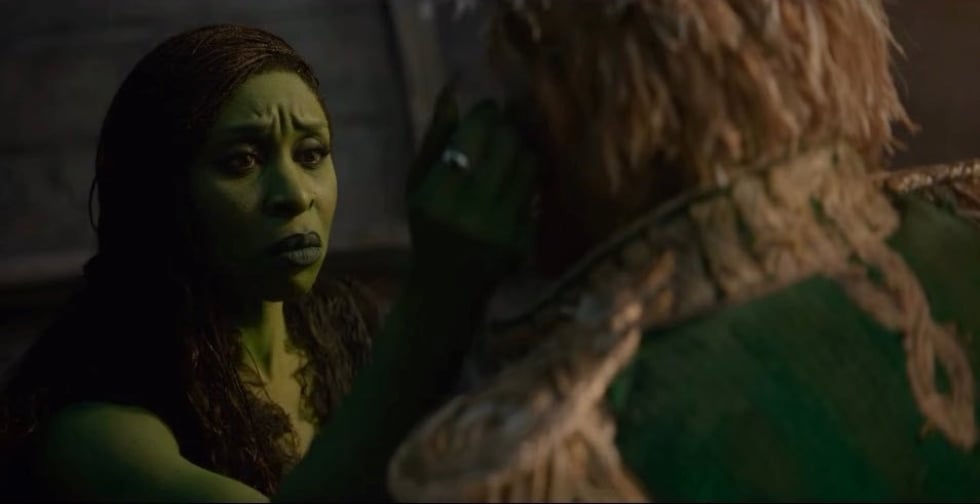
Let’s talk about Scarecrow. Fiyero gets turned into a man made of straw. What were some of your challenges in creating his sounds?
JM: That transformation happens right in the middle of Elphaba’s “No Good Deed,” and happens in a very subjective way. Our work is all in support of the music. It proved to have a much more emotional impact in the abstractness of it. We’re not really there with Fiyero; we’re under Elphaba’s impression of what she’s feeling as he’s getting broken and beaten, and what she has to do in order to save him and keep him from dying.
Since it’s in support of the music there, we use atmospheric, subjective sounds that hit tempos and tonalities that fill in the negative space, even though there was hardly any negative space.
We use atmospheric, subjective sounds that hit tempos and tonalities that fill in the negative space
AN: We didn’t know where we were going to end up as we were putting that sequence together. But the direction just became so musically clear: offstage sounds that are very washed out and soft to support the song.
But it wasn’t just to preserve the song. Emotionally, that felt like the right thing to do. We had a lot of choices on how to play it, but we ended up with what we thought was the most powerful and emotional way to do it.
SH: When Jonathan Bailey (as Scarecrow) was doing that reunion scene with Elphaba in the tower later in the film, and they’re both nose to nose with dialogue, Johnny [Bailey] went lower in volume than I can remember any actor ever going. It was properly scary trying to capture that. He was so low that his lips touching together were as loud as the peaks in the dialogue. I was using these very new AES boom microphones, which we were almost getting into frame since the camera operators were letting us get within one millimeter of the frame on the close-up.
He was so low that his lips touching together were as loud as the peaks in the dialogue
So these microphones were just above where his eyebrows would’ve been. So I had these new boom microphones, and I was winding up the digital gain, thinking, “Oh my God, any moment now it’s going to hiss” because I was used to what an analog mic would do. And I keep winding the gain up, and the mic’s not hissing. I got to +40 dB, which I’ve never, ever used before, and these microphones weren’t hissing. +40 dB is my version of going to 11. There’s nowhere else to go.
I managed to capture that dialogue beautifully. It was fortuitous that, three or four weeks beforehand, we got these new microphones to test. If I hadn’t had those digital mics, I’m not sure I would’ve got that. And also, having the framing close enough to get the mic above the eyebrow helped.
In that quiet moment with Scarecrow and Elphaba in the tower, were there any foley sounds for him that reflected that straw quality?
JM: We worked with very realistic versions of that. Johnny would do that little trick with his ankle every now and then, and so we’d get these opportunities to accentuate some of the brittleness of the straw breaking and rubbing. He holds up his hand and moves it around. So he gave us a lot of good moments to do these little subtle details that just reinforce that he’s made of straw. It’s not a showpiece; it’s not something that we’re getting distracted by. It just supports the frailty and vulnerability of his character.
AN: A little detail went a long way.
JD: Also, remember that scene functions as a reprise to the love scene between Elphaba and Fiyero, “As Long As You’re Mine.” These quiet moments were very difficult to achieve because you also need the music to have these motifs that reference other songs. And we have a beautiful sweeping statement of the melody from “As Long As You’re Mine,” but finding a way to have that function as an underscore so that you can hear the detail in the Scarecrow sound effects and hear the quiet dialogue that Simon was just describing required a delicate balance to achieve. I think that moment’s intimacy works despite all those elements coming together.
He gave us a lot of good moments to do these little subtle details that just reinforce that he’s made of straw
SH: This is what Andy and John did so expertly on this movie. There is so much dynamic range in this film. We go from such big rock-and-roll-type set pieces into those very, very quiet emotional exchanges. I don’t know how you guys did it, but it just seemed to work. What I do know is that this movie went very quiet and very loud, sometimes all within moments of each other.
AN: It’s hard to even describe, Simon, because when the lights are down and we have a big screen in front of us, we are the audience. We are trying to interpret the feeling into what we’re doing all the time, and I think that’s where John and I found our groove together. We never were at odds in terms of: should this be like this, maybe I should be doing this, or you should be doing that. We felt this together and those dynamics came naturally, driven by exactly what we were seeing and feeling at any single moment.
JD: Jon Chu is such a trusting collaborator. Most directors will get a little uncomfortable when the dynamic range gets below a certain point because you want to keep the energy going. But Jon Chu really indulges in these quiet moments. “Quiet power” is a phrase that he uses a lot, and we ran with that. It’s so important to the character of Elphaba to embrace that quiet power. It’s so important to the love story to embrace that quiet power. So we owe a lot of that to Jon’s ability to enjoy the silence and to enjoy the power that comes from that kind of intimacy.
When you give the audience just the bare minimum, it’s so much more powerful
AN: Yeah, and trusting the audience. We’re not trying to spoon-feed; we’re allowing the audience to find that for themselves. That’s what Jon is so brilliant at.
JM: When you give the audience just the bare minimum, it’s so much more powerful. Jon has a really good sense of what the bare minimum is that’s necessary to communicate an emotion, and the audience has so much more ownership of the experience because they’re not being told all this stuff. They can reach those conclusions on their own. The minimalism of it is just beautiful. And it’s fun to watch. And Jon will take it in both directions. We’ll break it sometimes and then come back because it’s all about what’s going to get the most emotional impact out of the moment.
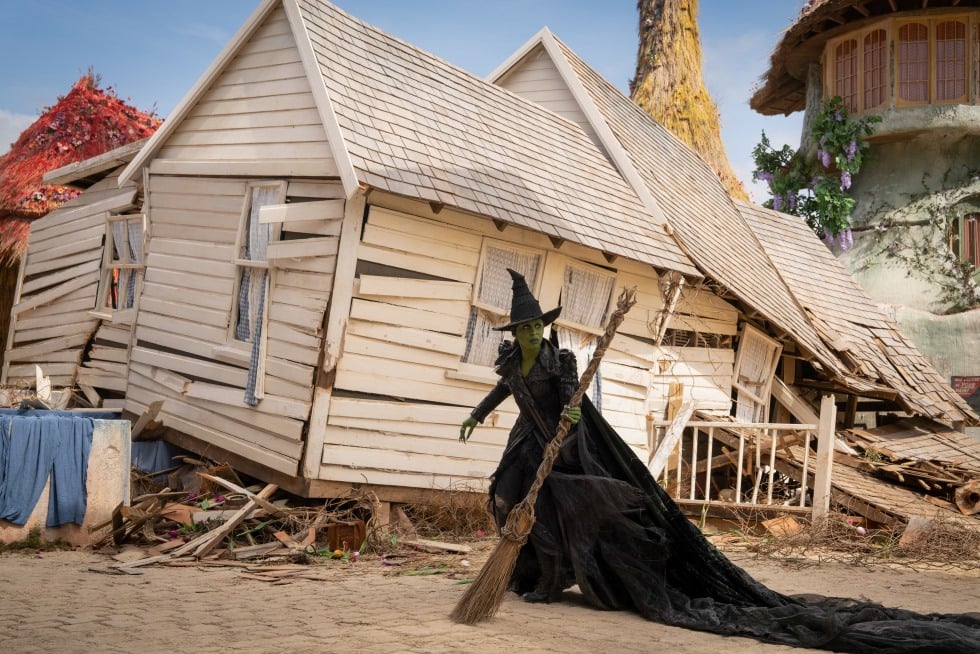
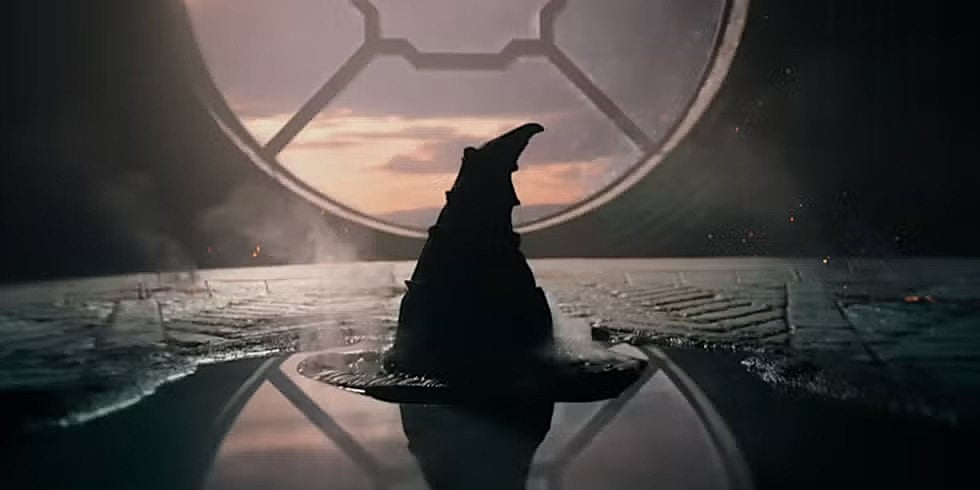
The last ‘classic’ element we have to talk about is the tornado that brings Dorothy to Oz. (I love that Dorothy is just a side-character. She’s more like a plot device.) So what were some opportunities/challenges for sound with the tornado? What did you do for sound on set since Jon Chu likes to put a lot in the lens…
SH: On set, at that point, I take a step back. I just want to support whatever Jon needs to do visually. So at that point, I’m really just getting a guide track as I don’t think there’s any dialogue in that sequence.
The special effects department brings in the big V8 wind machine. They had a load of fun with those wind machines because I hadn’t let them play with those since I’d been advocating for silent wind throughout the whole movies so we can get all the live vocals.
We start with a blank slate and use Simon’s guide track. But everything is additive
So, I had the chance to step back and watch all these craftspeople from the art department, the props department, the special effects department, and, of course, Alice Brooks’s fantastic camera department. I got to watch these visual elements come together and think about what Nancy, John, and Jack we’re going to put together for the mix.
NNT: Yeah, that’s an action sequence, essentially. So that is a case where we start with a blank slate and use Simon’s guide track. But everything is additive — every scream and yell and person running by, and, obviously, all the bricks flying by, and the tornado itself. That’s where we get to really play.
JM: It’s nice because we start the sequence out in this ethereal vibe as Madame Morrible is working her magic up. It was a great exercise in dynamics from where we start to where we go, knowing that at the end of the day, this is an iconic moment, and it can’t just sound like any normal tornado.
Not that we know what a normal tornado sounds like.
We’re playing with something more singular, with some good tone and emotion to it, rather than just a wall of sound. Jon was keen to make sure this tornado had a personality and was a character in the movie. We designed a growling nature to it, working with the tonal bend of the low end.
For me, it’s about protecting any solo live vocal, whether that is sung or spoken
SH: It’s also worth saying that Madam Morrible’s dialogue is still the live dialogue on the set. At that point, we’re still using silent wind, and then the moment we go big, we go really big on the set.
For me, it’s about protecting any solo live vocal, whether that is sung or spoken. It’s about protecting that and negotiating on set to make sure those live vocals make their way into the movie, because I feel there’s an emotion in them that I want the cinema audience to feel. When we get to the last syllable of her performance, I’m taking a step back and telling the special effects guys, “Okay guys, you can go.” And suddenly, we get big.
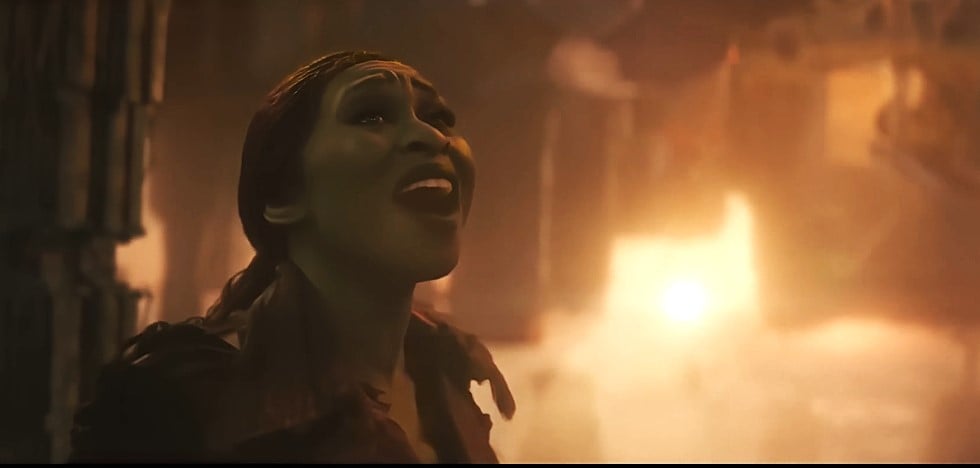
In “No Good Deed,” Elphaba embraces her “wickedness.” It’s a huge number, and Cynthia Erivo gives an impassioned performance. What were some of your opportunities/challenges for sound on this one?
AN: Handling Cynthia’s vocal, which was all live, no matter what we put to it in terms of the complexity of the music and the complexity of the fantastic sound design, she still powered through everything. She has such vocal power that she was just unleashed in that song. I still look back at it and wonder, “How did we do that?” Only because, normally, you’d be fighting to push a vocal through something she just cut through like a knife. And it didn’t matter what we threw at it. Right, John?
JM: This is another one of those things where the impression is big and grand, but when you get down to the actual nitty-gritty, it’s all anchored around Elphaba’s performance and the emotional content. It just makes everything else around it feel all the bigger.
Normally, you’d be fighting to push a vocal through something she just cut through like a knife
Jack can speak to the complexity of the instrumentation and what’s happening musically, but in regards to the sound design, it’s just little bits and pieces that give you a sense of what’s happening, and your mind attaches and carries that through. You don’t need to do a ton of stuff. It’s just hitting little specific moments, hitting the story points that Jon Chu was very specific about. He knew what the audience needed to hear, and the rest is just sonic support for the song.
This song is sneakily dynamic, with how large it gets in moments and then how minimal it gets.
JD: If there was ever a sequence that presents a real gratifying challenge for sound and music, it’s “No Good Deed” because it’s such a heavy lift. You have Elphaba coming to terms with her wickedness. You also have her rallying this army of monkeys, and each monkey has tremendous sonic force. The monkeys themselves are very musical and tonal in nature.
You can really hear every single one of those individual elements, and everything is there for a reason
Hearing the monkeys and the sound of the fire erupt, all while hearing the intricacies of Stephen Schwartz’s orchestration, all of which support Elphaba’s fantastic vocal, was a real challenge. I’m really proud of what we achieved on that sequence. You can really hear every single one of those individual elements, and everything is there for a reason. We spent a lot of time removing certain elements so other elements could be more prominent in whatever moment they appeared.
It was a real all-hands-on-deck situation.
SH: As I was recording it, I remember thinking, “This is the closest in my career I’m ever going to get to mixing a stadium rock event.” That’s what it felt like. Generally, when I’m mixing live vocals, I’m just listening to them a cappella because I like to really dial in on the emotion and listen to the dynamics and the mics. However, on this occasion, there was such a lot of background noise that what I wanted to make sure I had the separation between the vocal and the special effects noise, to make sure we would be able to keep the live vocal.
So I was actually listening with Greg Wells’s backing track in my cans, which I don’t normally do, with Cynthia’s vocal just sitting a couple of dB above it. I wondered, “Am I getting this?” And all the way through, as Andy was saying, Cynthia’s vocal cut through everything and there wasn’t one moment where I didn’t think we were getting it.
Our goal: to preserve the performance from everything that you do, Simon, starting in pre-production, all the way through to the last day on the mix stage
On that song, I had to compromise. For about 50% of it, we couldn’t use silent wind. We had to go with big wind because the whole thing was so big. We had swooping crane shots. Everything was so wide, and the silent wind jets can only do so much. Sometimes you’ve got to use the very big wind machines, so that’s what we did.
I know that in the mix, there was a moment where you guys were concerned that it’s very windy and would you be able to get away with using this? I understand that you did. So, I just want to say thank you to you guys for all your effort to save that live vocal because when I saw the film, it blew me away.
NNT: That really is always our goal: to preserve the performance from everything that you do, Simon, starting in pre-production, all the way through to the last day on the mix stage. That’s always the goal: taking care of those actors and their performances.
AN: Always.
NNT: You never want to have to ask an actor to do ADR. So anytime we can avoid it, it’s a gift.
SH: And Cynthia is doing serious gymnastics during that performance. You can hear that effort in her voice. There’s something visceral about that effort that I don’t think you’d ever get from standing still and singing in a recording studio. There’s an element to it that the audience just connects with because it’s a 100% real.
AN: Yes, very much so. The pain in her voice, everything about it, is unique to that moment. And she could do it if you put her in a studio. She’ll do it because she’s that good. But the connection to the audience is always from the live material.
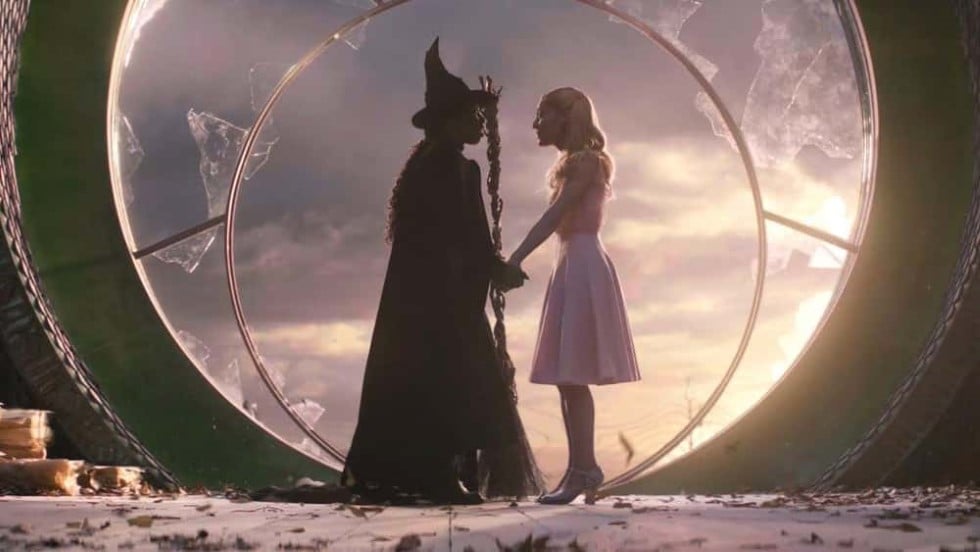
The audience experiences the attack on Elphaba from Glinda’s perspective. Can you talk about creating the sound of the offscreen attack? How did you use sound to help tell the story of what’s happening to her?
NNT: Going back to Simon, I think a lot of it is just the way that he was able to capture Glenda’s very quiet reaction. She’s trying to stay quiet because she doesn’t want to be discovered, but you still feel her emotion through the sound of her quiet cries and her breath. You hear what she’s going through, watching her friend get murdered in front of her. Since that’s shot from her perspective — the audience sees what she’s seeing — we were able to use all of that. Nothing in there is looped. That’s another case where you would never want to ask an actor to replicate that. That’s a pretty heavy lift.
And then, of course, there’s all the action that’s going on that we don’t see. We only see it in shadow.
We lean into the abstraction of it being offstage using reverb to make a wash of sound that supports the horror
JM: That scene is a case of what you don’t see, or you don’t hear, is way more powerful than if it were played on screen. If you’re familiar with the story, or the original movie, you know what’s happening. She’s drawing the monkey army in, and there was a time when we went back and forth on what to hear, and how much to hear. How clear is it? How many people are there? Are the guards involved? Jon was very specific about minimizing it and bringing it down to just the bare essentials. So, we’re just dealing with the monkeys, and we lean into the abstraction of it being offstage using reverb to make a wash of sound that supports the horror and traumatizing nature of it as experienced from Glinda’s perspective.
JD: That was a brilliant instinct from Jon Chu because by making all of the external sounds abstract and making Glenda’s cries present, you feature the experience that she’s having. That’s what’s first and foremost. And ultimately, it’s the heartbreaking arc of that relationship. That is the most crucial part of this film. So, from a sound design perspective, that leans into what’s important in a really brilliant way.
SH: In terms of capturing Ari’s performance, the first thing is that I know that it doesn’t matter how low I go, Nancy will flesh it out. And it doesn’t matter how low I go, Andy is going to find a way to weave that dialogue into the mix just so expertly that it gives me confidence. I know this sound team. I know what I can deliver to them, and I know they’re going to make it work so I don’t need to start pushing things up too high.
I know what I can deliver to them, and I know they’re going to make it work
Another thing to mention is that Pablo Helman, our VFX supervisor, will paint out a mic whenever I need. It wasn’t even a negotiation. It was just complete and utter support, and I never overused that card. I would only ask for it if I needed it. But if I had to have a microphone in shot, whether that was a lav or whether it was a boom, to get a performance like that, we had an unwritten agreement where I could just look across at him and point at the monitor, and he just nods at me. It’s a done deal.
And Jon Chu, when he saw those microphones, never said a word. There was an absolute understanding that original performance and original vocal were more important to him. Whether it was dialogue or singing, it’s all the same thing. It is all still that performance. He completely understands that VFX is there to support the movie, whether that’s making a flying monkey or making sure Ari doesn’t have to re-record a whispered line because we can put a microphone in frame to capture it. To me, that is modern collaborative filmmaking. It’s something we should all strive for. So, thank you to Pablo Helman for that.
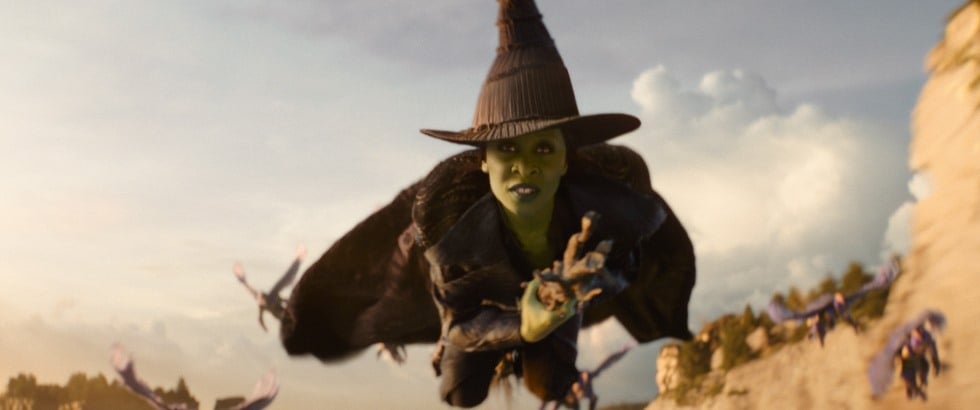
Both of the Wicked films were incredible accomplishments for sound and music — across all departments, really. If you could go back, though, and change anything, is there something you’d want to redo or have a second try at?
NNT: That’s a tough question. I will say there’s one thing, and it’s a little Easter egg. There’s one ADR line in the first film that Ari wanted to do because she wanted to change her projection. And it’s something that no one else has noticed. Even when I told John (Marquis), he had no idea what I was talking about. But I felt like we could have done that better.
Interestingly, that line appears again in Wicked: For Good, and this time, it sounds better. We got a do-over! When does that happen?
AN: That’s a good one, Nancy. For me, and I’ve done this my whole career, is that when I walk away from a film, very quickly I would like to go back and have another go at the whole thing. But, at the same time, I concentrate on moving forward. So, I don’t have a specific thing that I would redo, but I enjoyed the process so much with everybody that I would happily sit down and do it all again, just for the fun of having everyone back together. It truly was one of the most wonderful collaborative experiences.
JM: Yeah, it’s hard to leave.
Universal was completely supportive of us doing this big collaboration where sound and music are the same department
JD: We were blessed by having a lot of time for this. Universal put a huge amount of resources behind this. They gave us a lot of time, over the course of two films, to really iron out our process.
And Jon Chu is the most patient filmmaker I’ve ever worked with by far. He let us be in our process without rushing us.
And so, for those reasons, it’s hard to pinpoint something I would do differently, because we were given the opportunity to do our best work and really let it shine. I have a lot of gratitude for that.
SH: It’s worth pointing out as well that Universal was completely supportive of us doing this big collaboration where sound and music are the same department, where production sound and post-production sound are the same department, and we are all just singing from the same hymn sheet.
You guys were all brought on very early, so I was able to talk to you for months before we started the first film. This was really what every film should be from a sound and music perspective. It was just one big team working together.
A big thanks to Nancy Nugent Title, John Marquis, Jack Dolman, Andy Nelson, and Simon Hayes for giving us a behind-the-scenes look at the sound of Wicked: For Good and to Jennifer Walden for the interview!