




Director Sam Raimi’s dark comedy/horror/thriller film Send Help follows the socially inept corporate strategy and planning manager, Linda Liddle. Linda’s unassuming demeanor in the office makes her a doormat for more assertive co-workers, ultimately leading to her being passed over for a promised promotion. But Linda isn’t meek. She’s a survivor. Following a plane crash that only she and her sexist boss, Bradley, survive, Linda proves just how resilient and resourceful she can be outside her corporate confines.
Here, 2x-Emmy-winning dialogue/music re-recording mixer Marti D. Humphrey, CAS, and Oscar-winning effects re-recording mixer Gregory H. Watkins, CAS at Formosa Group, who final mixed Send Help natively in Dolby Atmos on Stage 1 at Formosa Group Hollywood, talk about shaping the film’s sound to play up Linda’s perspective, enhancing the glorious moments of gory, using sound strategically in accordance with Raimi’s tastes, and making the most of the Dolby Atmos surround field to get clarity in the mix, support jump scares, and maximize dynamics.
Find out why they cut the engine sounds during the plane crash, who filmed Linda’s Survivor contestant video, how the Dolby Atmos format helped to shower the audience in boar snot, and much more!
SEND HELP Trailer 2 (2026)
Marti and Greg, this isn’t your first time working with Dir. Sam Raimi. So when he walked onto the dub stage, did you have a good idea of what he would want to hear on Send Help?
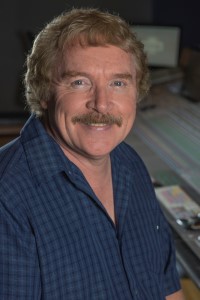
Marti Humphrey (MH): I’ve been working with Sam since 2004. The first time I worked with him was on The Grudge, which he was producing. Then I did Drag Me to Hell (2009), Oz the Great and Powerful (2013), and now Send Help. And, it was nice to have Greg on this one; we’re long-time collaborators, so it was very comfortable.
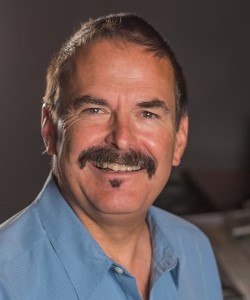
Gregory Watkins (GW): A long time ago, I did The Quick and the Dead (1995) with Sam.
MH: The first temp we did on Send Help was at Disney. We brought in our stems and mixed with Sam for three or four days.
What’s unique about working with Sam is that when I did Drag Me to Hell (2009), it was the first time he had ever mixed in the box. That allowed him to have, with sound, the flexibility he’d had in picture editorial. He loved it because he’s very creative and very knowledgeable about sound. He allows us to collaborate and try ideas. Ultimately, it’s his film, but he’s very supportive of trying different things, and it is probably the most fun one can have when it comes to doing re-recording and mixing.
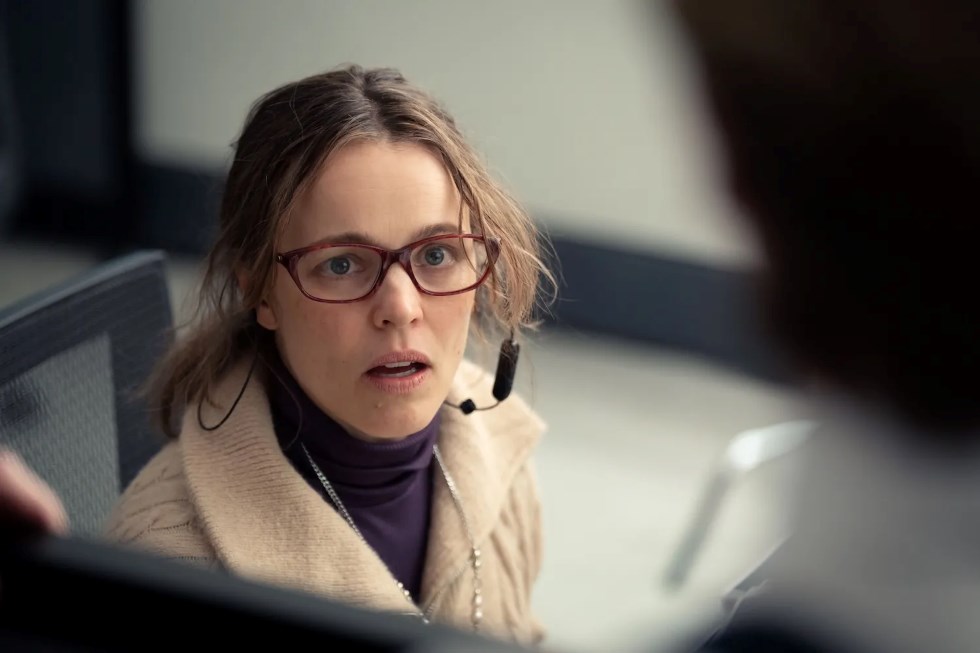
Right away, you’re in Linda’s POV in Send Help. She’s listening to music in her earbuds and you don’t realize it until you can barely hear her boss talking to her. It sets the tone for the film: this is Linda’s story. For the first big action moment, the intense airplane crash, what did you do mix-wise to make that from Linda’s POV?
MH: Greg did a phenomenal job of making it play, making it feel like we were there.
GW: The main thing was to show that all the dudes on the plane were misogynistic. They’re just out for themselves, and that’s all they care about.
Linda is frantically working to help the company out, and they’re making fun of her. There was a switch from the guys watching her Survivor audition tape (which she doesn’t hear initially) to her hearing something and taking her earbuds out, and realizing what was happening. That part of it was all Marti. That really set up a huge turning point for her, especially when she hits the delete button on all her hard work. You see her cry. She’s fed up with them.
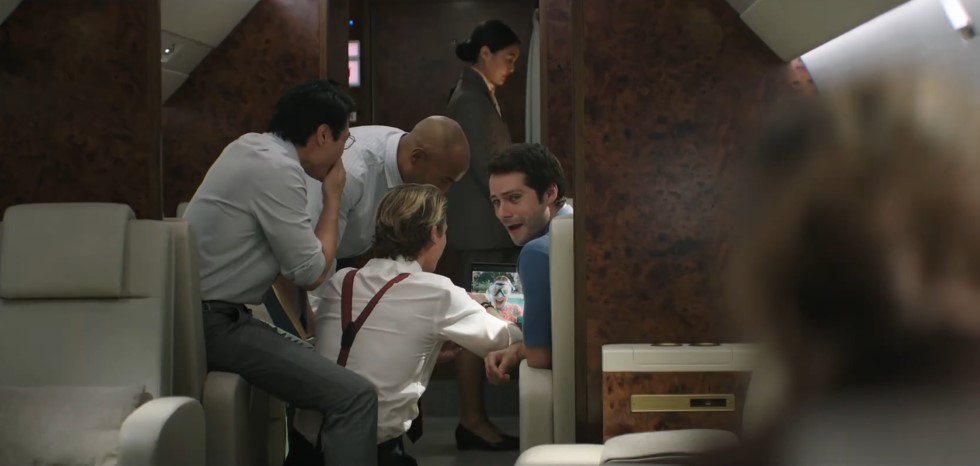
The plane crash is being set up throughout that section. You start hearing the thunder in the background. You hear a little turbulence, a little wind, and then when it hits, it’s all out. A lot of that was Sam’s perspective, which I learned from The Quick and the Dead. He’s got a very unique taste as far as what he wants to hear and especially what he doesn’t want to hear.
On The Quick and the Dead, it was actually the biggest sound effects show that had gone through the Carry Grant Stage at that time. We couldn’t even put up all the backgrounds and sound effects. At one point, we’d have to stop down on reels and re-patch. And that was a huge analog console back in the day. It was sort of the same situation on Send Help in that we had everything covered. We had all the details in there, and then as we’re mixing, Sam said, “No. What I want to try is playing it from her perspective.” And so we’re taking out all the realism/realistic sounds at one point. My first instinct was to gradually take it out so you don’t notice it. Well, Sam was very specific. He wanted it all out at a cut, so it was shocking. I didn’t think it was going to work at first, but it does because we’re playing Linda’s perspective there. When you have a director who really understands sound, you won’t always agree with what he wants, but once you try it and see what he is trying to do, you get the idea.
The challenge was finding a place to take the engine out and suspend reality.
I’m the sound effects mixer, so I want to hear every little detail. Everything was cut, everything was there. Obviously, with that level of sound, you can’t hear everything, but we want to hear all the important effects. And Sam says, “No, we don’t need the wind here. We don’t need the engine here.” So the challenge was finding a place to take the engine out and suspend reality. Then we started bringing the effects back in with the silverware going by, which gives her the idea to grab up the fork and stab the guy. So that was definitely a cooperative moment with Sam and his vision.
The coolest thing is that Sam didn’t want music there. It was scored, but he took out that music early, so we knew it was going to live with sound effects. That realism is what gives you the sweaty palms.
MH: Sam is very focused on the performances and the actor’s dialogue. On the plane, we wanted to give Linda different levels of intensity and dynamics, and still be able to have Greg’s fine work, his immersive work, put us into the panic of the moment. But at the same time, I still need to hear her little nuances and breaths. I think we struck a really good balance in that regard.
Once we got to the island, that’s a whole other story of challenges, especially for dialogue, to make that work.
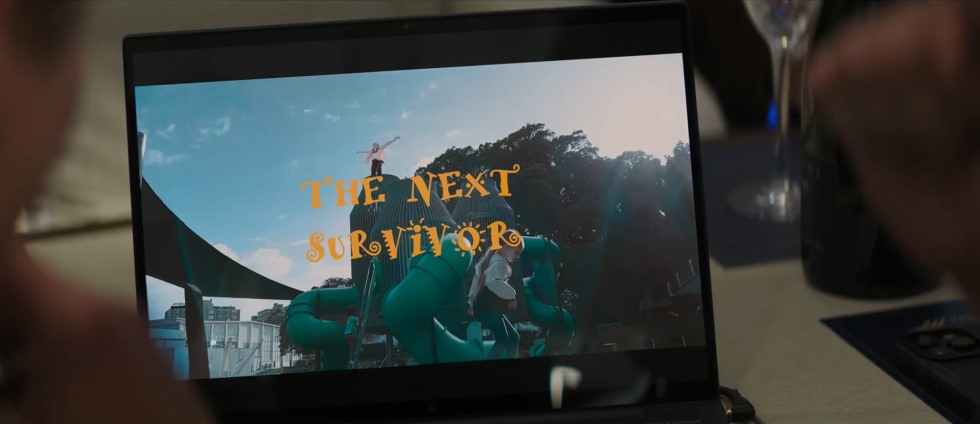
Tell me about the Survivor contestant video. I love the shot of Linda on the jungle-gym at the playground! Hilariously perfect. Did Dir. Raimi have a hand in shooting that?
GW: That was an idea that Sam had from the get-go. He actually shot all that, and there was so much more in there at one point. We even had part of that in the end crawl, but they ended up not going with it. It was a three or four-minute piece they put together.
Sam directed it all. That was all his idea — another crazy idea that works great.
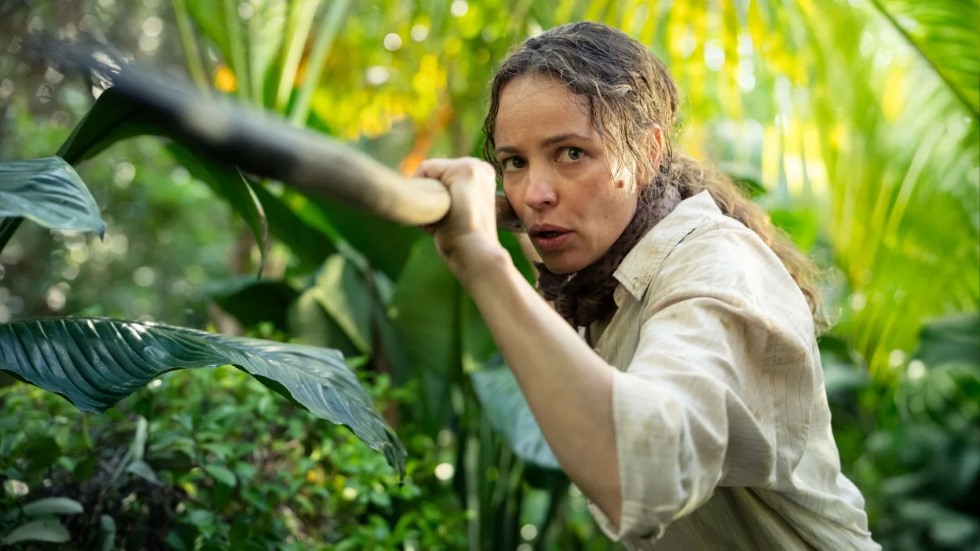
Let’s talk about the boar hunt in the jungle. I love all the intense nature sounds. It was an amazing sound moment for the Dolby Atmos Home mix, too. You’re in Linda’s POV, standing in that jungle with her, waiting for this boar to attack or show itself. Can you tell me about mixing that to make the audience feel really uncomfortable?
GW: Again, Sam has very specific ideas for where he wants to hear sounds. This is actually a horror film. There are a couple of huge jump scares in it. Since you can’t go from loud to louder, we had to be very specific about what we use.
As it starts out, we had all the bugs and backgrounds in the beginning as she’s creeping in there. We hear little sounds of her feet on the dry leaves as she’s walking in. It gets a little denser before we start taking elements out to make it almost silent, and to suspend reality for when the boar comes out and jumps at you. We call it a “popcorn spilling event” when the audience jumps.
That took a lot of time. I love the fact that we did it in Atmos, so we had specific calls in specific speakers. When the boar was sniffing around and moving around, that was actually one of the coolest things because we could move the sound and have it point-source in certain speakers to make her look around, jump around, and give the audience a “what is it, what’s gonna happen?” moment. Something’s going to happen, but you have no idea what it is. And then it got really quiet after the last brush sound. And then BAM!, when the boar jumps out of the bushes, everything breaks loose.
I love the fact that we did it in Atmos, so we had specific calls in specific speakers.
Again, there was no music for part of it, which really helps out. Once the boar starts chasing Linda, we definitely had the score back in there. There was a lot of sound happening. When the boar starts sniffing the ground where she was, we don’t know that she’s up in the tree. We have no sounds coming from up there. Then all of a sudden, she jumps out of the tree. So again, it’s something that’s unexpected. It’s not a jump scare, but you think she’s gone at that point.
Again, Sam knows what he wants. At first, sometimes it can seem a little counterintuitive to what you think should be playing, but it works really well with everything.
Marti, how did you use Linda’s sounds to put the audience in her shoes?
MH: As Greg said, we tried to give the moment some uniqueness. I try to use dynamics to subconsciously build up tension. When we first get into the jungle, we create a sense of being in there. But since we were mixing, we could see what’s upcoming up, so we tried to gently, slowly pull some elements out so that there’s a much more dramatic hit when something comes our way.
When she jumped out of the tree, I had her up in the ceiling speakers coming down. Although it was very fast, it still gave us a sense of depth and height for what she was doing.
When she jumped out of the tree, I had her up in the ceiling speakers coming down.
I always wanted to have her sounds of struggling with the boar because the boar is so intense and so close. I wanted to get her panting, her breaths and efforts. Greg and I struck a very good balance of being able to hear everything, but at the same time, keeping that intensity of the boar’s attack and really putting the audience in there.
Visually, from how the bore looked when we first saw it to how it ultimately looked when we were mixing in the final, they did a terrific job on that, so we really wanted to enhance it sonically. We both feel we were successful in that regard.
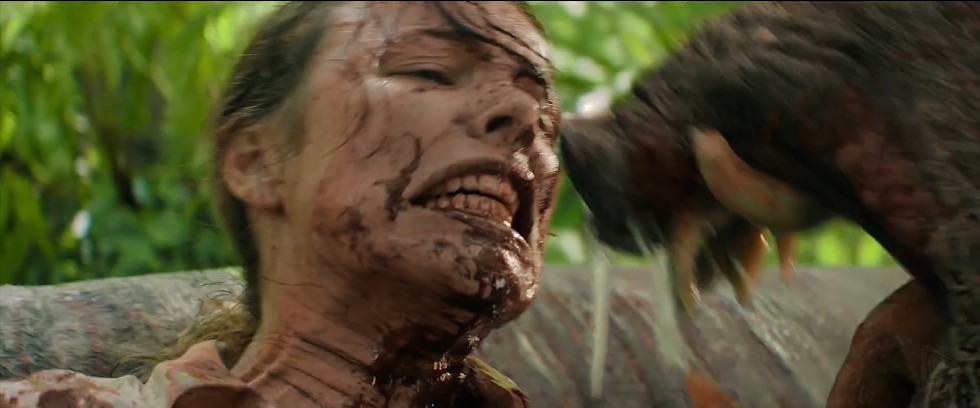
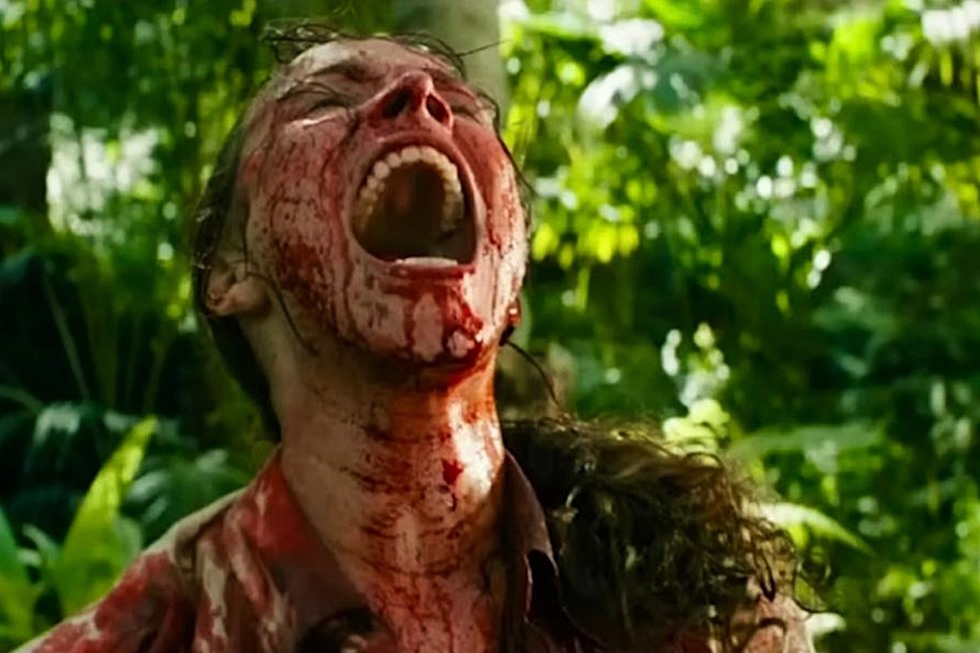
In the final moments of the boar attack, we see its snout from Linda’s perspective. There’s a copious blood shower and snot spraying all over her. Were you pulling those blood and snot effects into the surrounds?
GW: Absolutely! It feels like you’re being sprayed. It was very specific. When we’re on the boar, we’re focused on the boar. There’s nothing in the surrounds. And when we’re with her, looking at the boar’s snotty face, the effects are hitting the rear surrounds and even hitting the top back speakers. We panned it very specifically, so when it hits the lens, you hear it spraying past you and behind you. It was pretty disgusting.
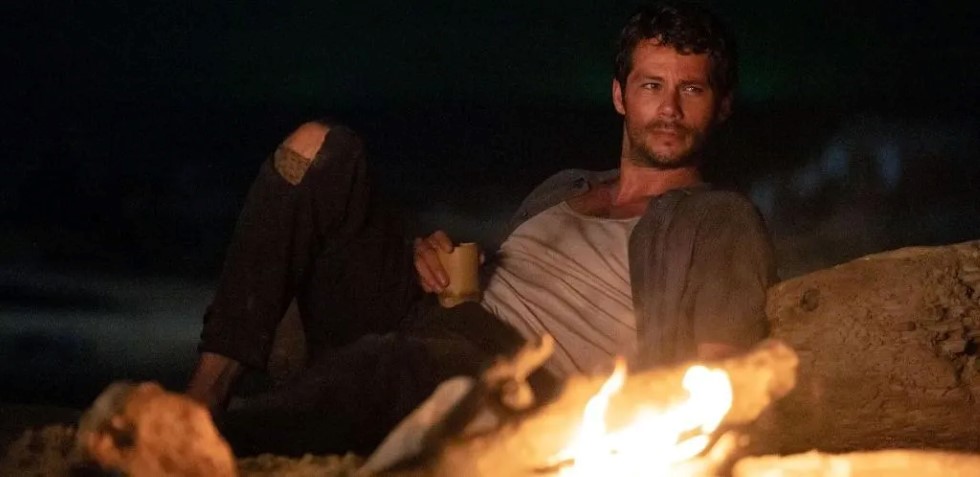
You mentioned being very specific about what the audience doesn’t hear. During the ‘toilet wine’ drinking session around the campfire, you barely hear the waves (maybe one tiny wave very low in the mix), and you don’t hear the fire crackling. There isn’t any music until nearly the end, when Linda talks about her husband. All you hear is the conversation between Linda and Bradley — just the dialogue sitting there on its own. What were some challenges in making that scene work?
MH: All that you mentioned.
I had it nice and smooth. Depending on the shot, we were on lav mics or boom. I always love to use both mics when possible. So, I had it smooth in our predubs. It was working really well. Greg had some excellently timed waves that matched the action of the ocean in the background. Then Sam said that he wanted to show their isolation, so he wanted to take out the wave sounds. Well, now the dialogue has no place to hide. Greg is not enhancing the moment. He’s just playing a bed to give it a presence, but not necessarily telling a story. So, like Linda and Bradley, I’m isolated. The dialogue is naked. What can I do sonically?
I massaged that and worked that so we’d always have intelligibility, but remember, this was shot anywhere from 50 feet to 50 yards from the beach, and the ocean never lets up. But Sam wanted to really make the dialogue story clean so we could pull people into the story; they’d focus on just that.
It all blended very well between the production and the ADR, giving us that intimate feeling for their conversation.
Ultimately, this allowed us to go to the next level when the water was involved, or the location was involved. So it was a challenge to really polish up some rough dialogue, but we were successful in that regard. You don’t want to hear the processing. You just want some clarity. And there were camera angles with long shots where you’re relying strictly on the lavs. While there was some ADR, it was more for story points rather than for technical reasons. It all blended very well between the production and the ADR, giving us that intimate feeling for their conversation. They’re right there. It’s just about them. So, it was a sonic challenge, but I think we pulled it off.

Production sound mixer Nick Emond surely had a tough location to record in. They’re outside. It’s on a beach. It’s windy. It’s an island. They’re up on a treacherous cliff at times…
MH: It was a challenging location for production. And, it was a challenging location for post sound, too. We took the best that they provided and made it as seamless and clear as possible. Sam was very thankful. At the very end of the mix, he thanked me for the clarity of the dialogue and how well it played to enhance the story, which, to me, made it all worthwhile.
The first typical approach would be to play some waves and put in bugs […] So this was quite contrary to our normal instincts.
The first typical approach would be to play some waves and put in bugs, to let some of the sounds of this location into the mix. So this was quite contrary to our normal instincts, and we just readjusted what we had. Both Sam and picture editor Bob Murawski were very keen on hearing certain elements and the balance of certain elements. It made it a great collaborative effort. We could build up to things, build the tension, because we had somewhere to go sonically. You could feel the isolation, feel the way Linda changed, and the way Bradley changed. It really complemented the story.
GW: The two hardest places to record a movie are New York City and on a beach. Every time I see that a movie is going to be in either of those locations, I cringe.
We did the predubs on this one a little differently. Marti did his dialogue pre-dubs first, and then I did my effects pre-dubs against his dialogue. So I knew exactly how loud to play the surf. The coolest thing is that we finally got a movie where the sound of the surf was all in sync with the action. It drives me crazy that the sound of the waves is never in sync with the surf because of the way they intercut the picture.
It drives me crazy that the sound of the waves is never in sync with the surf because of the way they intercut the picture.
But for this film, we actually had everything in sync. You could hear every wave. And it was at a level where it felt realistic. You’re on a beach, 30 feet away from the water, so even small waves are very loud. But Sam didn’t want that. We had it all playing that way. We had the crickets, we had the bugs, we had the fire crackle. We spent a lot of time getting it the way we liked it. But then Sam said, “No, I want this to be an intimate conversation between the two characters. I want to take everything out.” Because of what Marti did on the dialogue to make it play that way, it ended up sounding very good. Most shows you’d hear every single cut because the waves would be breaking in a different sync. And, you can’t play it that way. But because of what Marti was able to do with the production tracks, which had a ton of noise from the waves, we were able to give Sam what he wanted.
The way Sam wanted it was not what I had envisioned. I had envisioned something completely different, but I understand what he was trying to go with. We did it, and it worked so well.
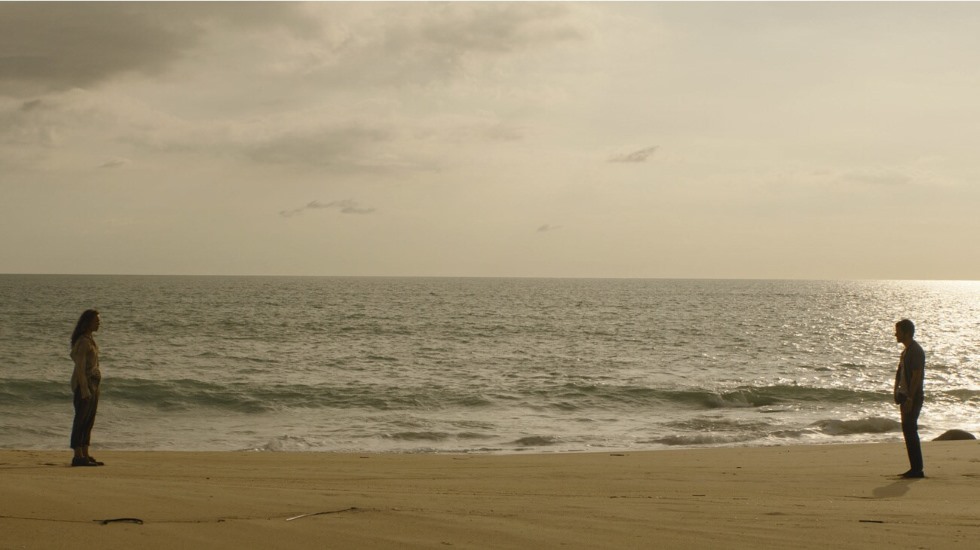
And what did you use to remove all those wave sounds from the dialogue?
MH: A sledgehammer!
No, I’m kidding. I tend to use a few tools a little instead of one tool a lot. I find that approach works best.
We’re very blessed these days with tools, especially for dialogue, that we can utilize that take, at times, marginal production. Sound Radix’s Auto Align Post has been a savior for me. We were beta testers on it. With that, you can take two mediocre production tracks, blend them together, and all of a sudden, you have presence, you have warmth, and you have clarity. So, that was one of the tools I used. Experience dictates what tool to use, and experience dictates the amount to use it.
Experience dictates what tool to use, and experience dictates the amount to use it.
I found over the years that I don’t want it to sound like, “Wow, he did a great job.” I want it to sound natural and to give the director what they’re looking for, versus trying to point a spotlight at myself, going, “Hey, look what I did.” And I think we were successful to that degree.
GW: The biggest thing is that he didn’t throw the baby out with the bath water. He didn’t strip everything out, didn’t take all the warmth out of the dialogue, which is very easy to do because you can concentrate on just the background noise. So, you get all that noise out of there, but then the dialogue suffers.


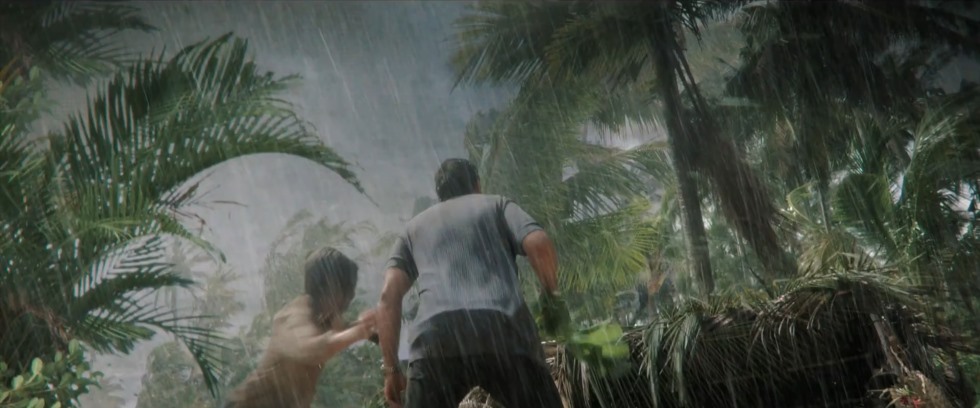
Let’s talk about dynamics. We go from this very quiet, intimate moment of conversation to a huge storm that wrecks their beach camp. Because that chat was so quiet, and focused up front, you had so much room and space to make the storm feel epic. Can you talk about your work for that storm scene?
MH: One of the greatest things that we, as film mixers, have in this medium is dynamics. Every other medium is compressed and limited, and in your face. Whether it be YouTube, radio, or even television, the dynamics are limited. The one place that we can use dynamics for storytelling is in film mixing. We could build up a feeling of calmness, an awareness of the environment, and when there’s a dramatic shift in dynamics, it has even more impact. It’s more frightening. If we’re mixing at 9 the whole time, and we push it to 10 for this one moment of lightning, it doesn’t have the same impact.
If we’re mixing at 9 the whole time, and we push it to 10 for this one moment of lightning, it doesn’t have the same impact.
Utilizing dynamics has been a trademark of mine, and Greg’s work is really complementary. We know we have some place to go, to build to, at a particular time, and we’re all in unison. Especially in a Sam Raimi film, when there’s that immediate switch from something subtle to something intense, it’s wow.
We have to tell the story with the dialogue, but the effects put us in the location. Greg is really good with that. Then, I’m able to work in Danny Elfman‘s score, which was very nice. It was mixed by Dennis S. Sands, who’s the best in the business. He provided some really good tracks and a lot of splits, so I could pan them and push them wherever, and Greg and I weren’t competing for a particular location in the surround field. I’ve been mixing in immersive since 2012. The one thing I’ve found is that the immersive mixing format allows us to get clarity by putting our particular elements in the surrounds around us — pulling the music slightly into the room, pulling the backgrounds around us — and not have everything going down the center speaker so that each one of these areas can shine when needed. One of the benefits of Greg and me working together for so long is that we both know where we want to go, and we both complement each other in the end result of what we’re trying to achieve.
GW: I totally agree with that.
The other aspect is knowing what to play and when to play it. If I played all the sound effects on that transition when we cut into the storm, it would be white noise. So you have to know: what is the first thing that’s going to get you in there? Is it the wind? Is it the waves? Is it the thunder? You have to know whatever it is and pull the others.
Some composers score everything […] This score was not that way. It was very specific.
Another good thing on this movie was the score. Some composers score everything. They’ll score gunshots. They’ll hit everything because this is what they do. This score was not that way. It was very specific. It had a more specific bandwidth in certain areas. So, I was able to play different elements that would cut through, and then just have a bed as glue to keep it going. You’re very specifically hitting certain things.
And let’s be honest, part of that comes from getting a lot of seat miles. I’ve been doing this for 48 years. A lot of people are considered mixers, but they just technically know how to do stuff. They don’t know what to play, when to play it, and where to play it. I’ve worked with some people who will design certain sounds, bring them to the stage, and play it. And I’ll say, “No. This is not playing what’s on the screen. It’s a great sound, but because of the music, because of this, we’ve got to actually take this stuff out and let the music carry the emotion here.”
And there are times when I ask, “Can we take the music out because I need to hit this with effects to give you the sweaty palms.” The music gives you the emotion, but the effects give you the adrenaline, the fear that something’s happening.
You want them to be shouting to each other. You don’t have to hear every syllable. You need to put them in a panic mode as they’re running to the cave.
MH: Also, in this storm scene, I didn’t want the dialogue to be standing so far out in front. I want it to be almost realistic, where you don’t necessarily hear every word. You want them to be shouting to each other. You don’t have to hear every syllable. You need to put them in a panic mode as they’re running to the cave, trying to play a little perspective by letting the rain and thunder cover up the clarity. That’s what sells the intensity. Then, when we get into the cave, we immediately hear the difference. It’s little things like that.
Greg’s been doing this for 48 years. I’ve been doing it for 46 years. Over time, you get to look, listen, and sense things slightly differently. We want to complement the story, and at times we lean more toward effects or toward music, but it makes it more relatable if the dialogue fits what’s happening. If you’re in a battle, for instance, and people are talking as clear as day while they’re shooting and there are gunshots, well, something’s wrong. It’s the same thing with thunder and lightning, and branches falling down. You want to hear, “Let’s get out of this!” But you don’t want it to be crystal clear and right in your face. That requires teamwork between the two mixers to go ahead and feature or pull whatever is necessary to create that sense of urgency.
GW: One of the finest things is working on a show where you can accentuate the sound effects. Everyone thinks action movies are the best for sound. But, no, movies like this actually are because Sam would allow us to experiment. He would have his ideas, which he knew how to articulate, and that’s huge because a lot of directors cannot say what they’re thinking. I had one director who used to say, “I want this to sound like the color of green.” You have to do something with that. You can’t say, “I don’t know what you’re talking about.” You figure it out, and you make it work.
Everyone thinks action movies are the best for sound. But, no, movies like this actually are because Sam would allow us to experiment.
But with Sam, he was very articulate about what he wanted. The beach scene at the fire was very sparse, which he wanted. We got big on the storm. He didn’t have a lot of notes on that or the cave scenes. That was pretty much the way I had envisioned it. It was mostly all up front at the beach. Then we went 100% immersive with certain sounds only in certain speakers, and then we go into the cave, and everything is up front again. I still had a little ambience, some water drips/cave drips from the rain in the back to give a feeling of realism, with the big storm outside. We also tried to make it feel cold. So we had some cold wind in there because they huddle together. We try to accentuate what the filmmaker gives us. If I do my job right, you don’t notice it. Most people will just enjoy the movie.
MH: The greatest compliment at the end of the movie is when people say, “That was a great movie,” not “that was a great soundtrack” because we complemented the story and the director’s vision. To me, that is the greatest compliment we can get.
Of course, we have our sound geeks who will try to break everything down. But for the general public, I think it’s important to hear, “Hey, I enjoyed that movie. I really loved it. I felt the tension.” Then we know we did our job correctly.
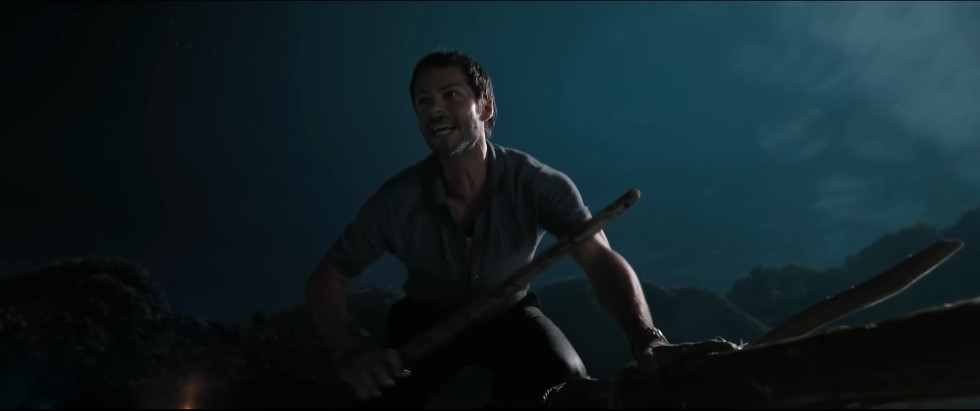
Most of this movie is told from Linda’s POV, but we do get to experience Bradley’s POV as well. He tries to escape the island on a raft, but it pulls apart, and he sinks. Was there anything that you did differently when trying to convey his perspective?
MH: We wanted to shock people. He’s lulled her into a sense of comfort. She’s happy. She’s thinking this is her dream come true and she’s going to spend the rest of her life on the island with him. Then he poisons her and pulls out this raft he’s been building behind her back. He gets it into the water — and he’s taken her personalized cup with him. He yells, “F*ck you, Linda! I’m leaving!”
On the plane, they were laughing about Linda’s survival skills, but it was what kept them both alive. And she didn’t share all that knowledge with Bradley. He didn’t build the strongest raft, and so we hear in the sound effects and sound design the raft breaking apart, the waves immersing us (in Bradley’s POV) as they come over, his panic sounds, the sounds of him underwater as he sinks, and the music.
We hear in the sound effects and sound design the raft breaking apart, the waves immersing us (in Bradley’s POV) as they come over, his panic sounds, the sounds of him underwater as he sinks, and the music.
GW: Again, that was a place where Sam had specific ideas on when to take the waves out to suspend reality. And not knowing that going in, I had mixed the whole thing. This is a big wave, it’s huge. It’s Mavericks Beach on a big day. It’s going to be very scary. So that’s what I was playing.
When we played it back for Sam, he said, “No, I want to take all the sound out, but let’s find out where.” That was actually one of the hardest things in the movies to figure out: where to take it out, how to get it out, and how to give him what he wanted. It took quite a bit of trial and error. I think it plays great.
You hear his paddles, you hear the detail, but not that the raft is coming apart. We wanted that to be a shock for the audience.
The preceding beach scene was nice and romantic. We’re not playing any threats, nothing. We’re just having a nice little dinner together. You have no idea what’s going on. So when she starts getting sick, the audience is going, “Why? What’s going on?” It’s another twist in the movie you don’t see coming. Sam had all this in his head, and once we figured it out what was in his head (and he was able to articulate it), we were able to do what he wanted.
The beach, the waves, get big; they get huge, and they should. But they don’t hurt. That could really be painful at some point if you played everything. So again, very specifically, we don’t play the raft breaking up until the wave hits it and it actually starts coming apart. On the first wave, we had it cut and built so that it would start to sound rickety. But no, it just stayed as it was. You hear his paddles, you hear the detail, but not that the raft is coming apart. We wanted that to be a shock for the audience. And then the rest of the scene gets crazy when he drowns. Then, there’s the mouth-to-mouth scene…
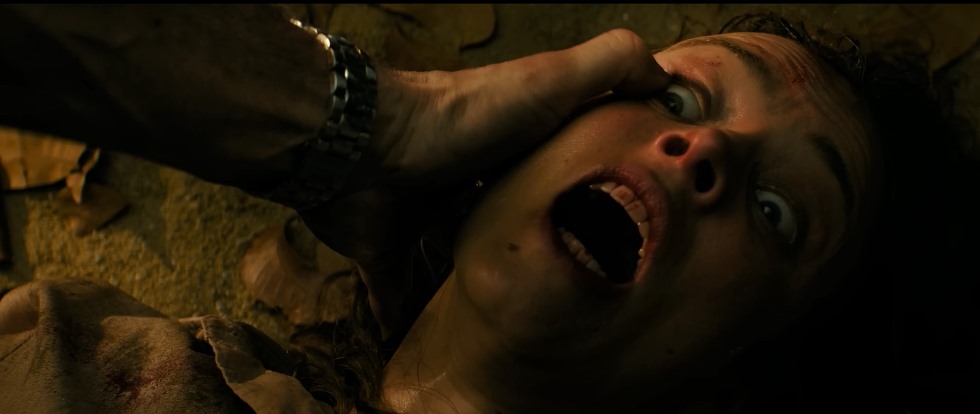
That was the most surprising scene, when she throws up in his mouth, repeatedly! That, and the rat scene. I love how this film feels so ‘normal’ at times, and then there are moments of insanely gross awesomeness that you’d expect from Sam Raimi, like their fight in the jungle. It’s brutal. It’s gory. They’re yelling at each other. There are the fight effects and gore. What were some challenges or opportunities for sound when mixing this fight?
MH: The sound effects really build the tension in there.
GW: Fight scenes are tough because you want some realism, but you want it to be bigger than reality. So getting that balance was tough.
There’s no music when they get into the jungle. I was carrying the scene with the effects. Again, we started out really spooky. We have big animal calls in the distance. It’s all around us, moving around us.
We had to show with sound effects that there are no shoelaces because she’s already taken them out. That was a hard thing to pinpoint.
Then the fight starts, and the music comes back in. It starts on the missing shoelaces. I remember that was a hard thing because we had to show with sound effects that there are no shoelaces because she’s already taken them out. That was a hard thing to pinpoint. Sam was a little worried that, since the visual was so quick, you wouldn’t notice that the laces were gone. The music actually saved that part of that scene.
With the fight, you have to have everything in there, but you can’t play everything because it’s just going to be a cacophony. So, it was about how loud the hits are. The hits have to be different. The rip of the hair has to be different than the knife stab. And luckily, we had a lot of elements. We just need to rebalance them and play what we need. We had to hear her grabbing for the rock, and grabbing for the knife. The rock hitting Bradley’s head was pretty huge. Sam wanted that, and it was great. I thought Linda had just killed the guy, but it only stunned him, and then he got back up. This was another fun scene to work on.
MH: We had both production and some ADR for their breaths and efforts. That conveyed the fact that he, at times, was overpowering her, but she wasn’t going to give up easily. It gave us some realism. They were right there, against each other; they were struggling. She’s pulling out his hair, he’s putting his thumb in her eye. You can really feel it. It makes you wiggle in your seat because it was so real.
We had both production and some ADR for their breaths and efforts […] It gave us some realism. They were right there, against each other; they were struggling.
This could have been the end of the movie, so everyone is on the edge of their seat trying to figure out who’s going to win. Linda stabs him, and then he’s gone. She doesn’t know where he is. We utilize sound in a manner to give us that isolation that, while they’re still in the jungle, she’s unaware of where he is. We then follow him to the shore, and he discovers the house.
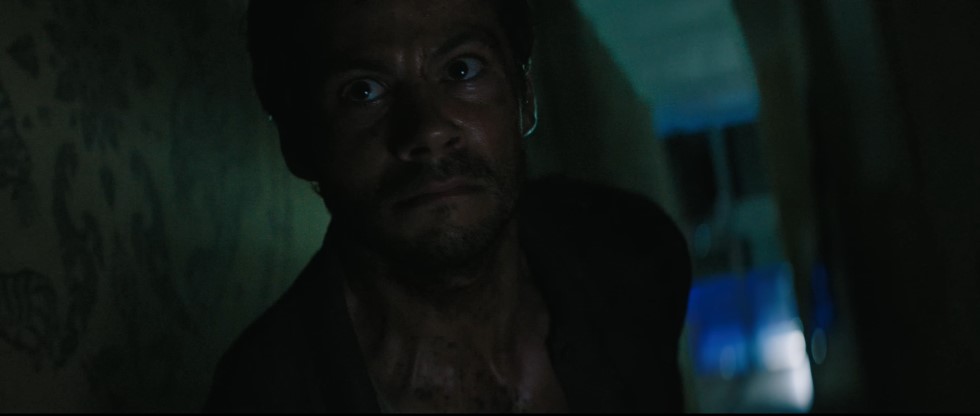
Bradley goes inside the mansion, and he’s searching the kitchen for a knife. Linda is already in there. She’s talking to him over the home’s intercom system. What were some challenges for making that play?
MH: Having her voice coming through the ceiling speakers took a lot of work, to balance telling the story, giving it positional information, and getting the treatment right. We tried a few different things to give it location and distance within the house. There’s a lot of important dialogue in there, like when he flashes back to her finding this knife on the beach. Now he sees where she got it from. He realizes that she’s been lying to him the whole time. It builds up the tension.
We tried to give it a feeling of a completely different location. We’ve been in the jungle, and now we’re in a beautiful mansion in the middle of an island, in a house with air conditioning, electricity, and everything like that. It’s such a contrast. And then we build it up to their final confrontation.
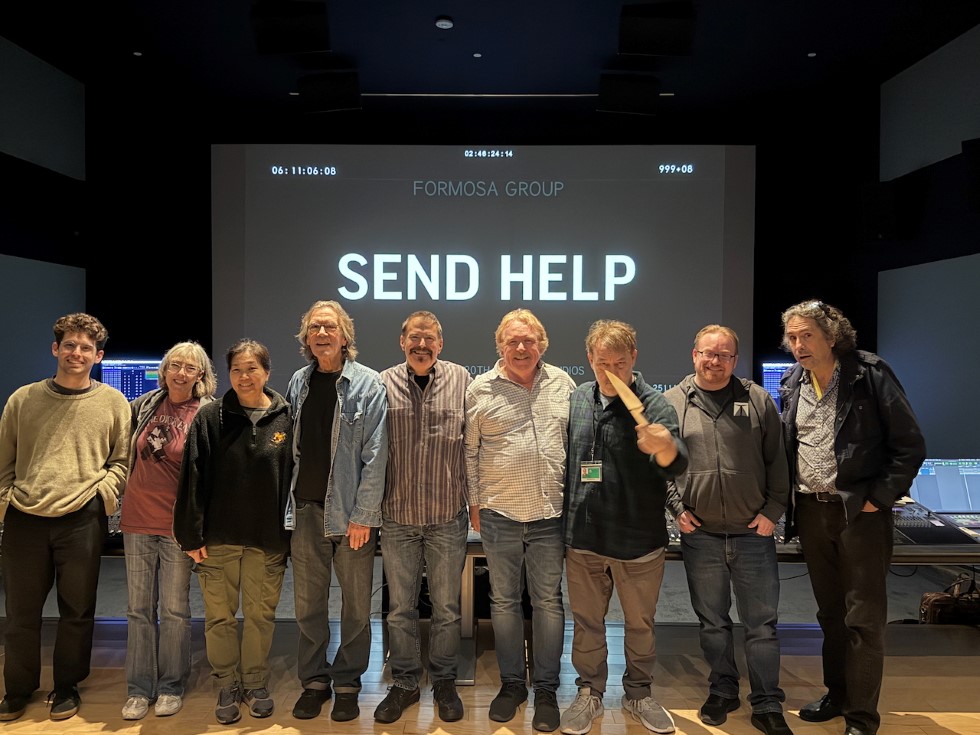
What will you carry away from this experience of mixing Send Help?
MH: Working with Sam Raimi is obviously a highlight of my career. I’ve been fortunate to mix his movies, and he values sound. Unfortunately, there are many times when you’re working with others who aren’t as aware of sound and don’t understand how it can enhance their story. As I’ve mentioned earlier, it’s a collaborative effort with Sam. He allows us to try things. And my old saying is, “Apple+S if it’s good; Apple+Z if it’s not.” We undo it, and away we go. So, working in a nonlinear format allows us to try things and rebalance things.
My old saying is, ‘Apple+S if it’s good; Apple+Z if it’s not.’ We undo it, and away we go.
Sam is very sound aware. I hear that from my peers, too. When you tell them you’re working on a Sam Raimi movie, they’re all saying, “Oh, Sam really loves sound. Sam is so aware of sound.” And it’s really a different experience. He allows us the time to do our job. That’s not to say that it’s open-ended work and you can take as long as you want. But he gives us the opportunity to do our job well and to enhance the movie. Yet at the same time, to me, the collaborative effort is the very best thing. Working with Sam and his picture editor, Bob Murawski, is definitely a highlight of my career.
GW: It’s very seldom you get to work on a film where a director wants your input and wants you to try stuff, and will allow you to do that. And Sam appreciates that. As I’ve said, he’s articulate. He knows what he wants, and he can express it. He gives us the freedom to present something we like and then he’ll say, “Well, I really like that, but how about if we try it this way?” He’s always so diplomatic. Some directors will be confrontational. They want it their way and only their way. It’s their idea. With Sam, it’s a team effort, and that’s what I really like about this business.
A big thanks to Marti D. Humphrey and Gregory H. Watkins for giving us a behind-the-scenes look at the sound of Send Help and to Jennifer Walden for the interview!