




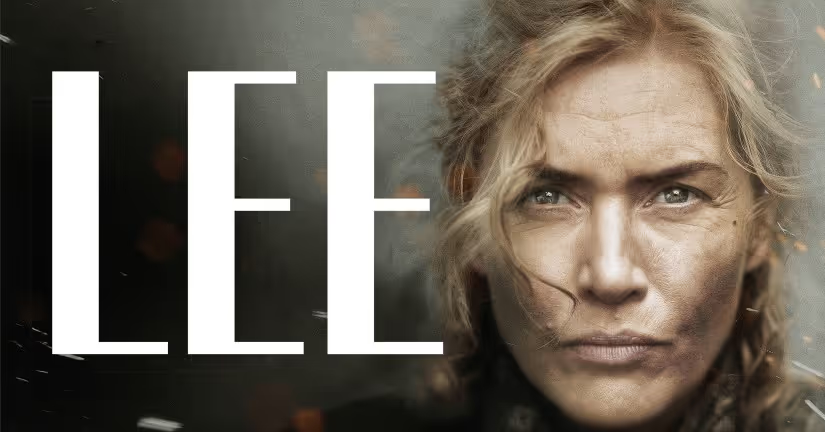
Director Ellen Kuras’s biographical war drama Lee – now streaming on Hulu – stars Kate Winslet as renowned American photographer Lee Miller who became a war correspondent during World War II for Vogue magazine. As a cinematographer, Kuras (who lensed Eternal Sunshine of the Spotless Mind) understands the power of perspective in images. She’s able to put the audience into Lee’s first-hand experience of war, to show her courage in combat situations and her fortitude when facing the vile atrocities of Nazi concentration camps. Despite the horrors, Lee continued to photograph everything she encountered.
Lee was recently nominated for a 2025 BAFTA Film Award for ‘Outstanding British Film of the Year.’
As a producer, Winslet worked closely with director Kuras and the post sound team – led by Formosa Group’s Mike Prestwood Smith (Re-Recording Mixer) and Supervising Sound Editor Jimmy Boyle – to craft a visceral and gritty experience. Here, Prestwood Smith and Boyle talk about using sound to play Lee’s perspective, working with wild tracks from the set and library sounds of era-appropriate vehicles and weapons, building sonic soundscapes that expressed the tone of a location, supporting the emotion of music-led scenes, keeping the war happening off-screen in quiet scenes, and much more!
LEE | Official Trailer
Lee was Ellen Kuras’s directorial debut for a dramatic feature film. What were her thoughts on using sound to help tell this story? As experts in film sound, what creative ideas for sound did you want to bring to this film?
Mike Prestwood Smith (MPS): The primary focus for Ellen, and for Kate Winslet, who was a huge part in putting this together, was seeing the world from Lee’s perspective. The whole story is about her lens as a photographer. We wanted to put a story behind these pictures, to give them a context from her point of view. These photographs she took, famous ones, have these realities behind them, and this film was a chance to explore that. Sound was a lovely way to do it, giving a sound world to pictures people have lived with for years without really exploring what it was like for Lee to take them. We wanted the sound to be very subjective, very literal, real, and quite visceral too. That was key, something we all hit on early, making it very much from her perspective.
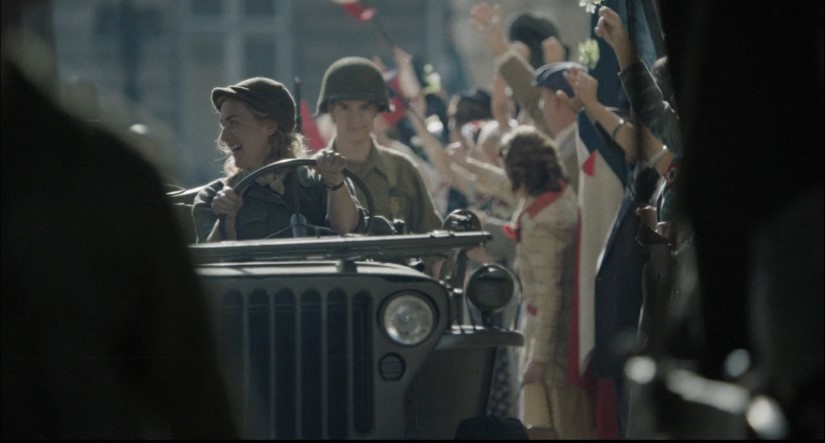
Lee is set during WWII. Can you talk about bringing this era to life through sound? Any helpful sound libraries for vehicles, technology, or weaponry from this time?
Jimmy Boyle (JB): Yes, definitely. I’ve worked on numerous productions based in that time period and during the war, so I had material and a lot of knowledge from previous research. We used wild tracks from the set but we also had a very good library that we’ve collected, researched, and recorded.
We had discussions with Ellen and historical experts from the shoot on what kind of dialogue would feel authentic rather than shooting generic material. We also employed Vincent Cosson, a talented ADR and crowd specialist from Paris, to take that information and shoot it with a native French crowd in France.
Another thing to remember is that the majority of this film isn’t gun fights and explosions. Yes, there is some of that, but it’s more about setting the tone and selling the period atmosphere to help tell the story.
I always try to research as much as I can. I had a lot of archival sound effects from that time period, and whilst I obviously didn’t grow up in that period, my family on both sides lived through the war and passed on their experiences. So we just tried to make it as authentic as possible with all the information we could gather.
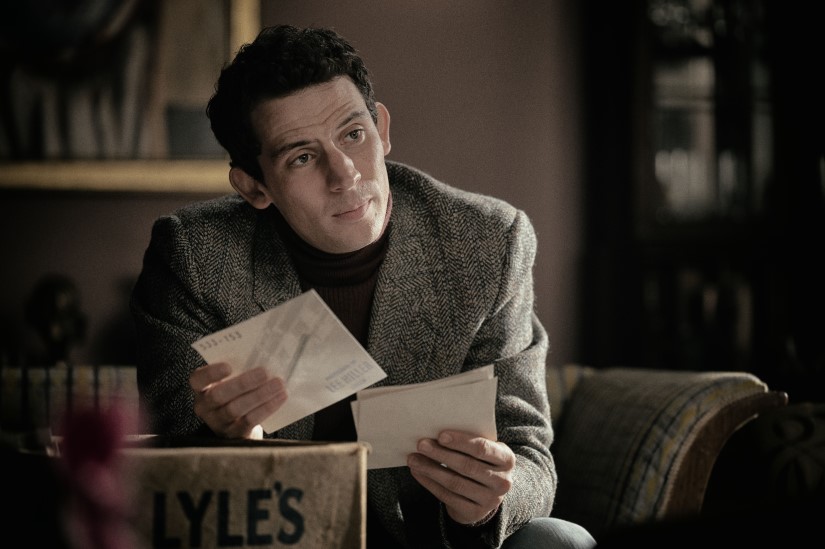
Did you do any custom recording for the film?
JB: Yeah, we definitely did custom recording, tons of spot effects, and various bits and pieces. For me, it was about having just enough description to make every location believable and tell the story.
it was about having just enough description to make every location believable and tell the story.
One thing that comes to mind is a tone I made from World War II bombers, more of a headspace thing for Lee, like a shell shock moment. I did it quite early on too, before I’d even seen any picture. The cutting room was keen to get descriptive stuff early from the script. They’d say, “Can we get something for this scene? It’s France by the sea,” or London, or Dachau. I was building sonic soundscapes from the script and a description, basically. Ellen mentioned to me during a very fast one-day temp from the cutting copy tracks, “This is great, you haven’t even seen the film for these sounds, have you?” I hadn’t, but it all worked strangely well, working from description and imagination. This was a great starting point.
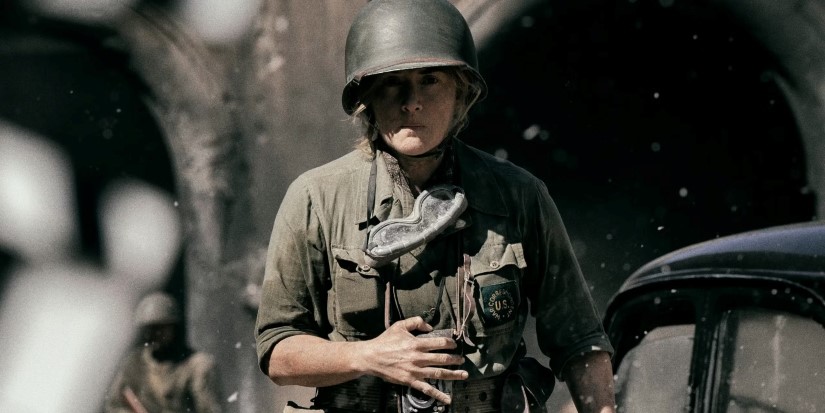
Lee Miller gets assigned to photograph the Battle of Saint-Malo. She’s in an active war zone. Can you talk about designing and mixing the active battle sequences?
MPS: Up until that point in the movie, she’s yearning to get into the action. She really wants to be on the front line, and has this slightly romantic idea of what war is. Up to Saint-Malo, it’s all kind of theoretical, out there somewhere, not really real.
When we cut to Saint-Malo, it’s a huge sound cut, straight into the heat of battle, a very aggressive, super fought-over moment.
When we cut to Saint-Malo, it’s a huge sound cut, straight into the heat of battle, a very aggressive, super fought-over moment. We wanted to make that as dynamic as possible, to tell the story of her going from this romantic notion to the reality of war — bleak, dark, loud, scary, horrible. We made it very much from her perspective, with ricochets and things coming toward her, the camera moving with her as she crawls through the town. It was designed to feel really unnerving and dangerous, so you’d feel it viscerally, showing that big shift.
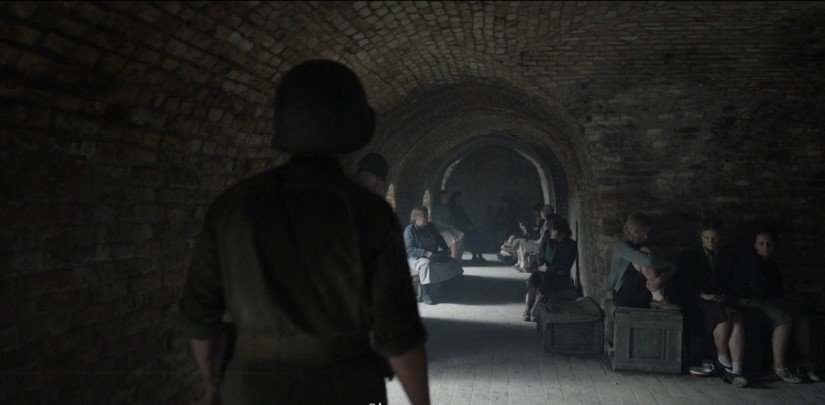
There are quiet moments in this location, like in the basement of the building where Lee talks to a couple of French women. Can you talk about keeping the war alive through sound in the quiet moments?
MPS: There are quite a few quiet moments in this film. I love that because quiet is a really important part of loud. When things are just loud, you don’t feel the dynamic between them. You need quiet to have loud, and loud to have quiet. We were keen to get some dynamics in the movie, and also show that war isn’t just constant. There are moments when it’s bleak, and you don’t know what’s happening, where the enemy is, or what’s going on.
You need quiet to have loud, and loud to have quiet.
In that basement scene, we kept it very much a distant idea of war, sporadic, not showy. We wanted it to feel real and unknown, so you’re on the edge of your seat. Quiet draws you toward the screen, makes you pay attention, lean in. That’s what we were going for.
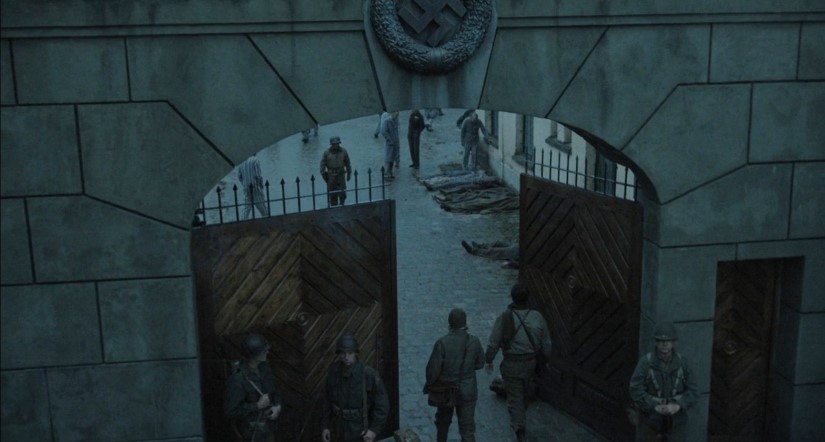
Lee and photojournalist David Scherman enter Nazi Germany and photograph the concentration camps of Buchenwald and Dachau. It’s a harrowing sequence, and the visuals and Alexandre Desplat’s score carry much of the emotional weight. How did you use sound to help further tell this story?
MPS: For that scene, we wanted to give the score as much room to speak as possible. When they enter those camps, everyone alive had left or was leaving, so what’s left is quiet and horrific. Death doesn’t really have a sound, and that’s part of what’s eerie about it. You get this wind, the bleakness of the camp, an odd distant fire — it’s like life’s been extinguished.
Death doesn’t really have a sound, and that’s part of what’s eerie about it.
We were looking for complete starkness, letting the score play super quiet, super spooky. Alexander Desplat’s score is clever, unnerving, mournful, and brilliant in those moments. We kept it bleak, not showy, using subtle stuff like the train car door latch or faint background sounds to serve the story of emptiness and desolation, making you lean into the horror.


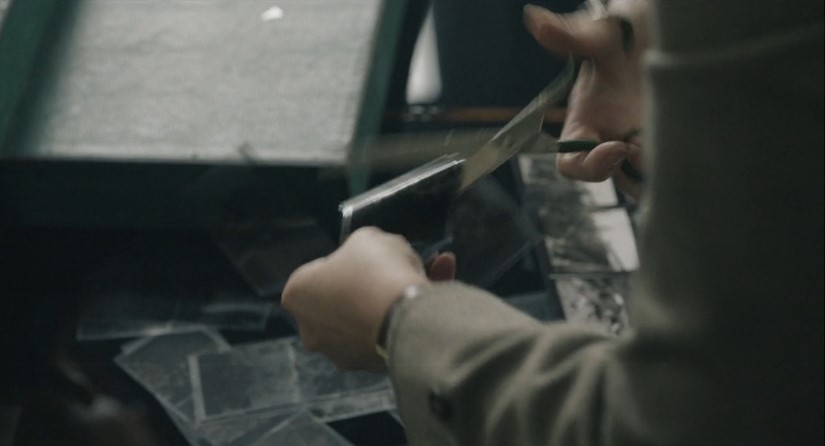
Lee discovers her photos weren’t published and she storms the Vogue office and starts cutting apart her photos and negatives. You can hear all her frustration in the sound of the scissors. Can you talk about your sound work for this scene?
MPS: Yeah, that whole scene is quite percussive and explosive. It was designed to tell her frustration — a woman at that time not being taken seriously, her work not getting published. We’d gone through this incredible journey with her, and then it’s just, “Shall we put this picture in the magazine or not?” There’s a huge story about the reality of the war and the camps, and it didn’t fit some trite reason for Vogue. We wanted the audience to feel she was pissed off, that it was unfair. The scissors were a great metaphor for that, sonically. We really leaned into that sound to underpin her anger and frustration at not getting published initially, though she did later.
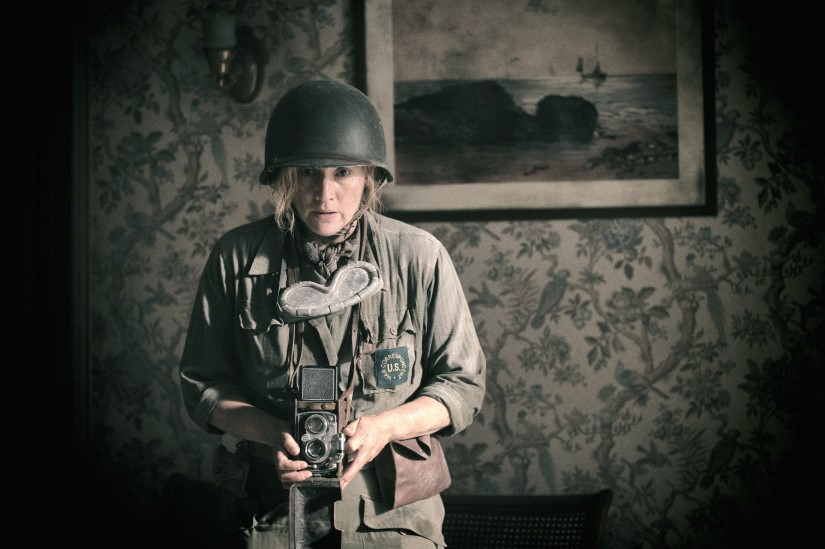
What went into the sound of Lee’s camera?
MPS: They were very kind and let us record all of Lee Miller’s cameras. Lee has a house in Sussex where they keep her archive, and they’ve got a lot of her original cameras and props from when she was alive. Jimmy got those and recorded them, so all the sounds of each camera Kate Winslet uses are specifically Lee Miller’s.
all the sounds of each camera Kate Winslet uses are specifically Lee Miller’s
It was a nice bit of honesty we could put on screen. It’s always lovely to have the real thing — it gives an authenticity you can feel. Sometimes when something’s what it is, it comes out on the screen, those little visceral mechanisms putting you right with her.
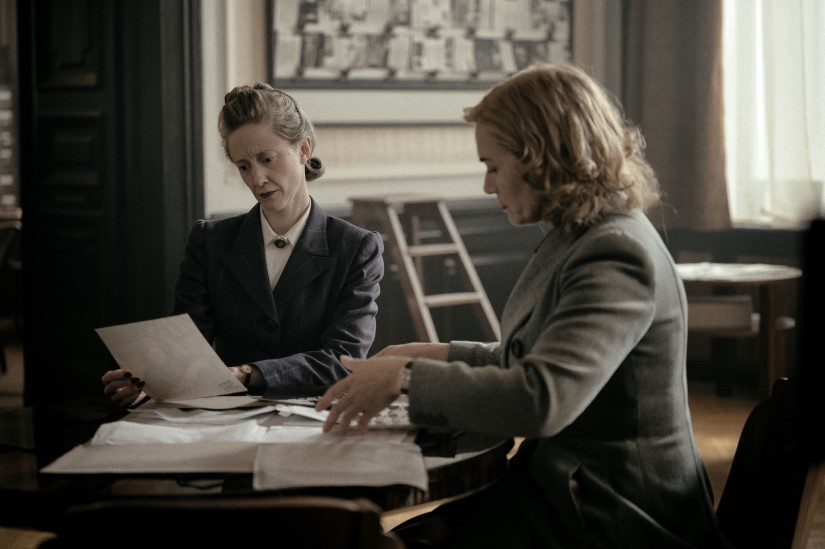
Who handled foley on the film? Can you talk about their contributions to the film’s sound?
JB: We worked with Jason Swanscott, Rob Price, and Stuart Bagshaw at Earthsound. They’ve been great; I’ve done quite a few things with them recently. Foley was a hugely important part of telling this story.
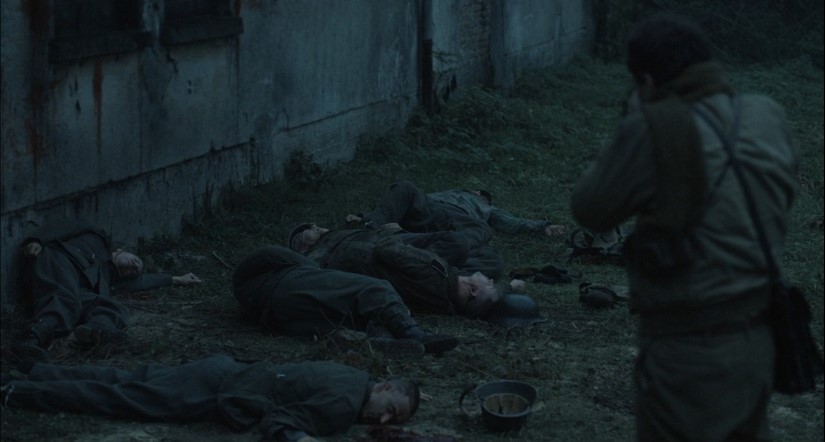
What was the most challenging scene for sound editorial? Why? Can you talk about your work on it?
JB: Lots of aspects of sound in this film took some thinking about. For example, Dachau was hard, and had to be right for it to hit home properly. It was about the right amount of sound to be haunting, but not stepping on or forcing things too much. Across the board, this film felt like tiny moves to get things right, not big effects or music everywhere.
Across the board, this film felt like tiny moves to get things right, not big effects or music everywhere.
We collaborated very closely during our mix with the producers Kate Solomon and Kate Winslet, and our editor Mikkel E.G. Nielsen, to feel our way to help Lee Miller’s journey and tell the story as naturally as we could with sound.
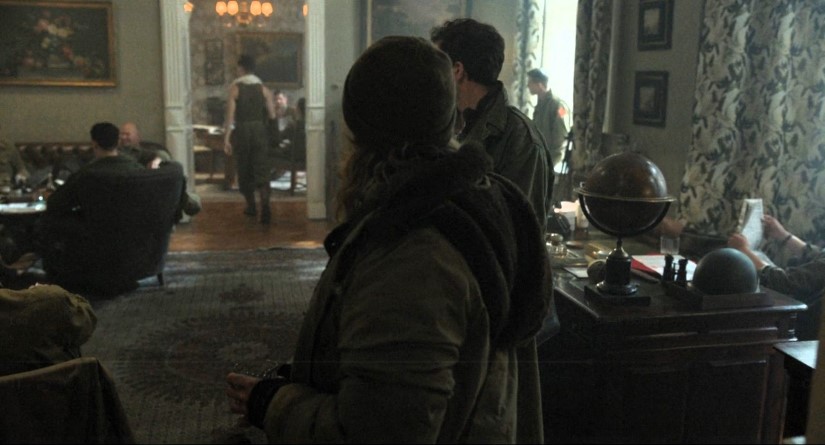
What was the most challenging scene to mix, or most challenging aspect of the mix? Why?
MPS: It’s funny, people always think it’s the loudest or most dense bit that’s hardest, but sometimes it’s the quiet things that are tough because you’re really exposed. If you’re telling a subtle story in a quiet moment, anything not balanced right bumps you. The scene I remember thinking, “Wow, this is gonna be tough,” was when they arrived at Hitler’s apartment. It’s occupied by American troops having a gung-ho moment – drinking, playing piano, and feeling that “We’ve won.” They walk through and find Hitler’s bathroom, where Lee takes that famous picture.
If you’re telling a subtle story in a quiet moment, anything not balanced right bumps you.
Alexander does this beautiful, complicated score, celebrating but with an undercurrent of horror at being in the eye of the storm. The score was transparent sonically but did a lot emotionally, so we had to fill in with troops chatting, laughing, all post-synced since the local actors weren’t speaking English. It took a lot of work to make it feel real yet off, eerie, and otherworldly – unnerving people without them knowing why.
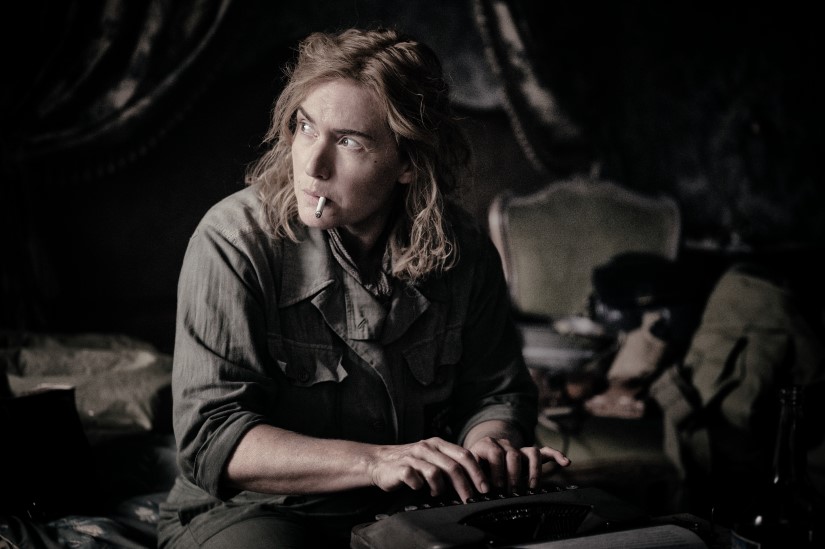
What was unique about your experience of working on the sound of Lee?
MPS: I’m wary about leaving Ellen out since she’s our director, but Kate Winslet was a huge part of this. It’s her passion project; she was on the stage with us all the time, getting the sound she wanted, and was very involved. She’d been trying to do this for 10 or 11 years or something. Working with someone so invested in the material on every level was just a lovely project. When people are that passionate, realizing something they’ve been trying to put together for years, it’s magic. That’s why I enjoy what I do – those films where that happens, creating a bit of magic with them. She was great to work with.
A big thanks to Mike Prestwood Smith and Jimmy Boyle for giving us a behind-the-scenes look at the sound of Lee and to Jennifer Walden for the interview!