






To a growing number of recordists and sound designers, independent sound effects is more than a source of new sounds – it’s a way of life. Now, a group of die-hard recordists are taking things to the extreme in their quest for sonic purity – and in the process, they’re inventing a whole new category of sound effects. Please note the publishing date, btw :)
 New ReleaseNOVA by Mattia CellottoWATCH VIDEO →
Gunnar Hagsmäl may be a new name to many in the sound community – and there’s a good reason for that. For the past 12 years, he’s been living completely off the grid in the remote wilderness of northern Sweden. But now he’s back for a brief spell to share the story behind his new project. And when he returns to the wilderness, he’s taking 6 other recordists and sound designers with him. As a huge supporter of sustainable living, I was excited to hear his story – here it is:
Hi Gunnar, you’re planning on taking independent sound effects to the next level – how, exactly?
Let’s start with ‘why’. What’s the first thing you think of when I say sound effects? Correct, it’s not the environment or carbon emissions – and that’s too bad. Think about it: We have all these recordists traveling halfway around the globe to capture the sounds of some oddball animal, blowing up stuff to capture yet another explosion sound, or doing seemingly endless laps with a car for a vehicle sound library. How sustainable is that? It’s not, and I’m changing that right now – well, in a couple of weeks anyway.
So what’s your plan?
I’m launching a new type of sound effects, and here’s what I call them: Sustainable sound effects. Why? Well, the environmental impact from these sound effects with be exactly 0% – and this goes for everything from recording, editing and even delivering them.
To create them, I’m setting up a commune in northern Sweden. For now, it’s essentially just a small hut, but in time, it’ll be a place where recordists, sound designers and editors can live off the grid, ideally for years and even decades – producing some of the purest, most sustainable sounds the world has ever heard.
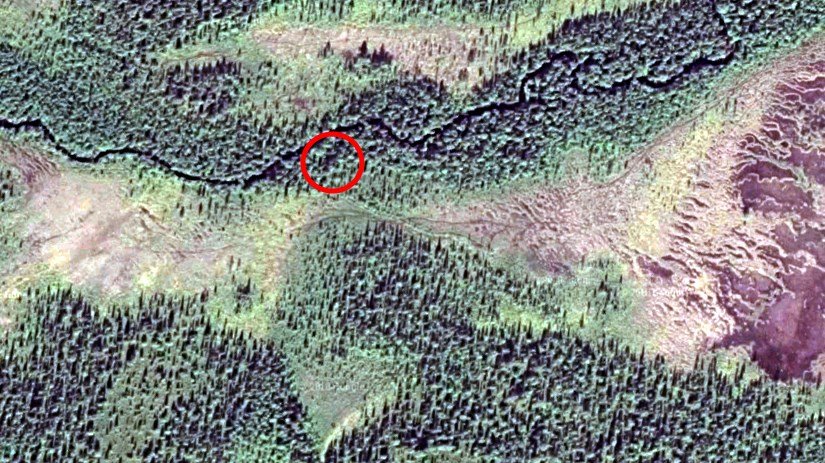
I’ve spent years finding the perfect spot in the woods, free from flight paths, highways, country roads, pets, pests, people, radio waves, sine waves, pollution and other interruptions. In short, there’s simply no-one else around, except for our group of pioneering creatives.
What sort of sounds are you looking to capture?
We’ll of course have unlimited access to some absolutely pristine nature locations, so there’s that covered. We’re also building a zoo, featuring a selection of what I call run-of-the-mill animals. These are animals that, from a sound perspective, cover most of the bases when it comes to animal vocalisations. And, for added coverage, I’ve domesticated most of the local wildlife.
We’ve got plenty of space, so we’ll also be building the world’s largest Foley pit.
How about vehicles, spacecraft and the like, you may ask. We’ll be using something called the Rambly technique, which will cover those categories too.
So, all in all, we can essentially do everything and anything when it comes to sound – and again, do it greener than anyone else in the world.
What about equipment?
We all have our existing recording gear and laptops and we’ll be using those to begin with. It goes without saying that, within a year or two, we expect to have essentially recreated these using whatever natural materials we can find up there.
As proof of concept, I’ve already built a working replica of a Zoom H4n using nothing but logs, bark, leaves from a Pedicularis sceptrum-carolinum and a patch of old moss. The noise floor is even better than the real thing, so I’m confident we’ll make this work.
To keep things sustainable, we’re capturing everything on recycled cassette tapes from the 80s. I know some of you may be worried about the sonic fidelity, but really… You can’t make a sustainable omelette without breaking a few eggs. And at the end of the day, it’s not about the bit rates, sample rates and other technical mumbö jumbö, as we say in Sweden – it’s about having the sounds that fit your project. And that’s exactly what we deliver, and then some.
But.. You’ll need some kind of power source to make this work?
Ever heard of the sun? The wind? Rivers? Lakes? Waterfalls? Modified exercise bikes that can be used to recharge our recording gear? Gigantic dams and water turbines that can output 1.000s of watts? Fantastical machines that can harness the aurora borealis? Need I say more?
So once you’ve recorded all these sounds, how do you get them out there to those who need them?
We’ve got no internet connection, for obvious reasons, but luckily we’ve got a way to make it work despite that: For the past 5 years, I’ve been training upwards of 100 carrier pigeons. These will be stationed around Sweden and at strategic locations across Europe. They’ve been carefully trained to pass on the completed cassette tapes from pigeon to pigeon, and to their final destination, giving us incredible range, everything considered.
Who are the 6 recordists who’ll be coming back with you?
I wish I could tell you their names, but all I can say is that they’re among the most well-known and respected names in the independent sound community.
They haven’t quite told their friends and families that they’ll be leaving everything behind to go live in the Swedish wilderness for years to come, in search of sonic purity and 100% sustainable sound effects just yet. So in that light, I feel it would be somewhat premature for me to disclose their names.
What if someone wants to join your endeavor?
We still have a few spaces left in the makeshift commune we’ve built, so if you want to change the world of sound for the better, please leave a comment below outlining why you think you’d be a great fit for our team. I’ll then make my decision from that.
A big thanks to Gunnar Hagsmäl for sharing the story – apply to join the team in the comments below, or follow an alternative path to supporting sustainability here. We wish Gunnar Hagsmäl the best of luck with transforming sound as we know it!